Videos by ComicBook.com
Here are three recent video game endings that are likely to leave you with something to chew on. Obviously, there will be spoilers ahead but not until the final paragraph of each entry.
3) and Roger
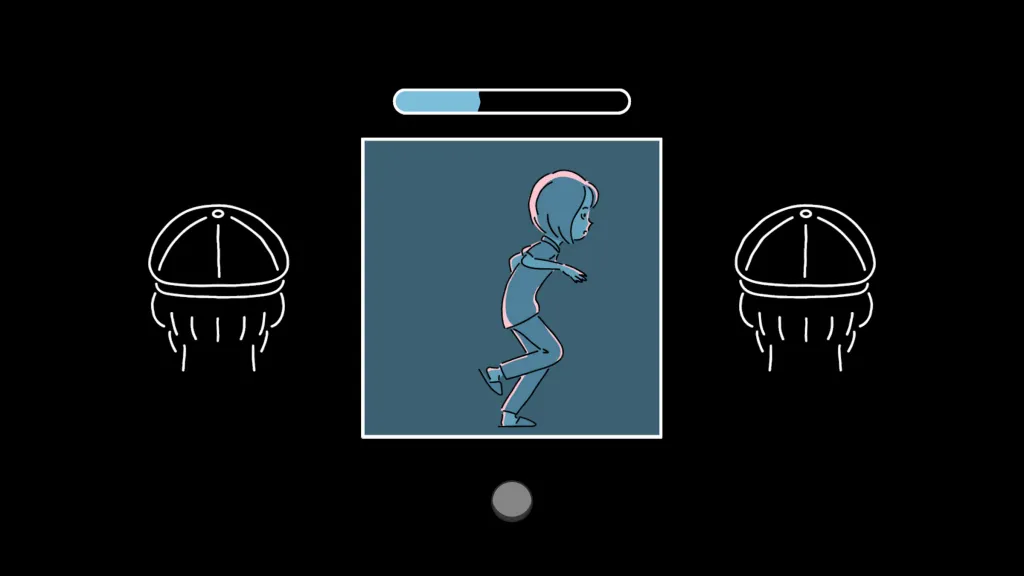
It feels incredible to hit a last-second, tide-turning parry in Lies of P and pull off a quad kill in Overwatch with a well-timed D.Va bomb, but the video game medium needs to be more than that if it wants to mature. That’s where titles like and Roger come in.
and Roger places players in the shoes of a confused girl and gives them various tasks to complete that don’t always make sense. The small orbs that players have to click and move around are sometimes difficult to track and bizarrely laid out, which is the point. This gamifies the protagonist’s fragile mental state and is something and Roger uses beautifully throughout its story.
These mechanics become even more significant when it becomes clear what exactly and Roger is about. These obtuse instructions are meant to get players to empathize with someone suffering from dementia and, much like how the 2020 film The Father used cinematic techniques to disorient viewers, it uses the video game medium to confound players. This all comes together in the final moments when her condition has clearly worsened, leading to an emotionally devastating ending. It dwells on the overwhelming sadness of it all, but it also injects just a little bit joy, emulating just a bit of the rollercoaster that is living with someone with such a cursed ailment.
2) Signalis

There have been many games that have taken cues from Silent Hill, but very few have understood the source material as deeply as Signalis. Signalis has the creepy enemies, haunting tone, and retro aesthetic of the old Silent Hill titles, yet its narrative is what gives it that edge and makes it feel like a lost spiritual successor to the iconic Konami franchise.
Signalis‘ basic tale of robotic protagonist Elster trying to find her partner Ariane isn’t hard to follow. However, there’s so much more going on in Signalis‘ world and with its characters and plenty of these details bubble up in the game’s multiple endings, many of which blur the line between reality and illusion. These endings are sewn together with visions and vague dialogue that can make its events a little difficult to parse out.
But instead of letting the game end on a disappointing note, these loose threads get players to poke back around and delve more into its world in order to fit the pieces together more cleanly. There are enough striking scenes and nuggets of lore that invite players to hunker down and do the extra reading; a more bland game wouldn’t be as encouraging and would die a befuddling mess. Even if the fine print isn’t quite clear the first time through, watching Elster’s journey come to its bitter end is deeply sad because of the hell it put her through. That somber finale fitting of a horror game and the way in which it purposely doesn’t give players all the pieces, though, are what gives this story its special sauce and why it’ll remain a genre classic for years to come.
1) Silent Hill f
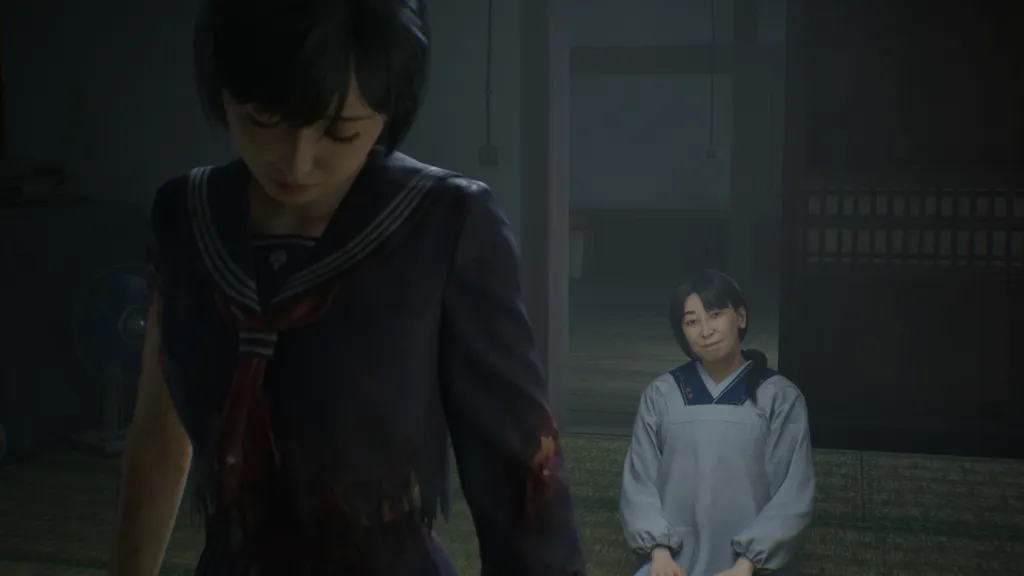
Silent Hill f‘s initial ending may leave players speechless, but for all of the wrong reasons. It’s abrupt, comes way out of left field, doesn’t offer any sense of closure, and falls back on a dated storytelling trope. However, in a clever way, this strange finale is seemingly unsatisfying on purpose in order to get players to delve back in and truly mine f‘s other endings so they can understand its overall brilliance.
The other serious endings gradually build off one another and offer more insight on what is actually going on. New lore-rich collectibles give proper context to these endings, which makes them hard to watch on YouTube; they’d like be nonsensical without the proper background from said journal entries.