Videos by ComicBook.com
Crimson Desert being packed with deeply intertwined systems is one of the biggest reasons why. They reveal far more complexity than the surface suggests. It is a game that does not bend to your wants or needs, instead demanding patience and attention in a way most modern titles go out of their way to avoid. That friction might frustrate some, but it is also what gives the experience its weight. The deeper you go, the more it becomes clear that this is not a game you can casually dip in and out of if you want something out of it.
Crimson Desert Pushes Back Against Your Time
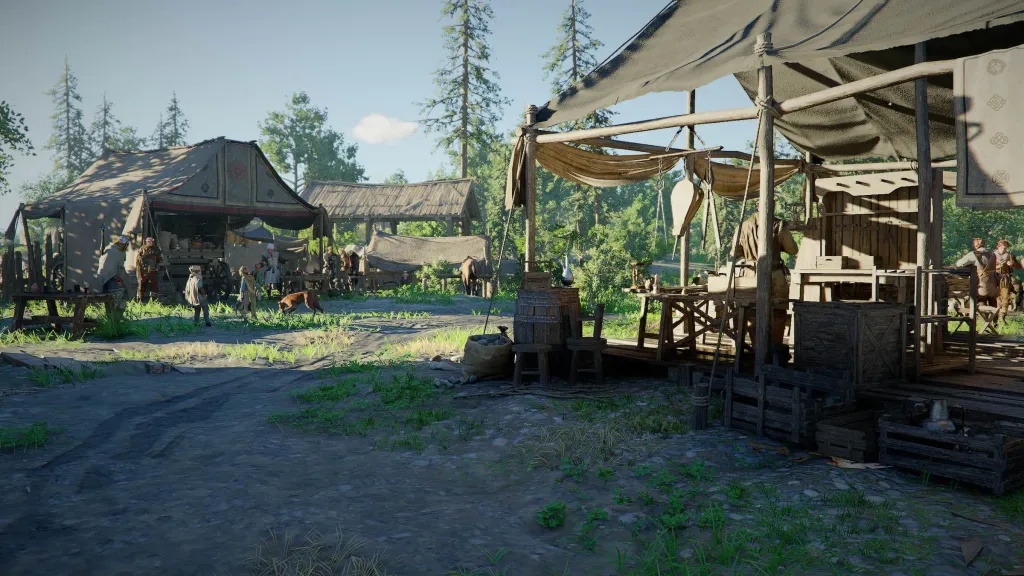
Crimson Desert treats your time differently than most modern games. It does not try to streamline every interaction or remove every obstacle in the name of convenience. Progress often takes longer than expected, and systems are designed to unfold gradually instead of being handed to you all at once. That pacing can feel jarring at first, especially for players used to faster, more accessible experiences. It forces you to slow down whether you want to or not, and if you don’t, Crimson Desert makes sure to punish in one way or another.
The game constantly asks for your attention in ways that cannot be ignored. Quests evolve in unexpected directions, systems overlap in ways that require real understanding, and the world itself demands that you stay engaged, else you miss something important.. You cannot and should not simply go through the motions and expect everything to be handed to you or click into place. Instead, you have to pay attention to how the pieces connect over time. That level of engagement creates a stronger sense of involvement, but it also raises the barrier to entry quite a lot. It becomes clear that passive play is not enough to fully appreciate what the game is doing.
For some, that friction will be a dealbreaker, which has already been proven to be the case with how divisive the game has been. There will be moments where progress feels slow, where understanding takes longer than expected. But for those who push through that resistance, something different starts to emerge. The game begins to feel less like a series of tasks and more like a system that rewards commitment and knowledge. That transformation only happens after significant time investment, which is why the experience can feel so different depending on how long someone sticks with it. In many ways, the game reveals its true form only after players have already proven their willingness to stay.
Complexity That Refuses to Be Simplified
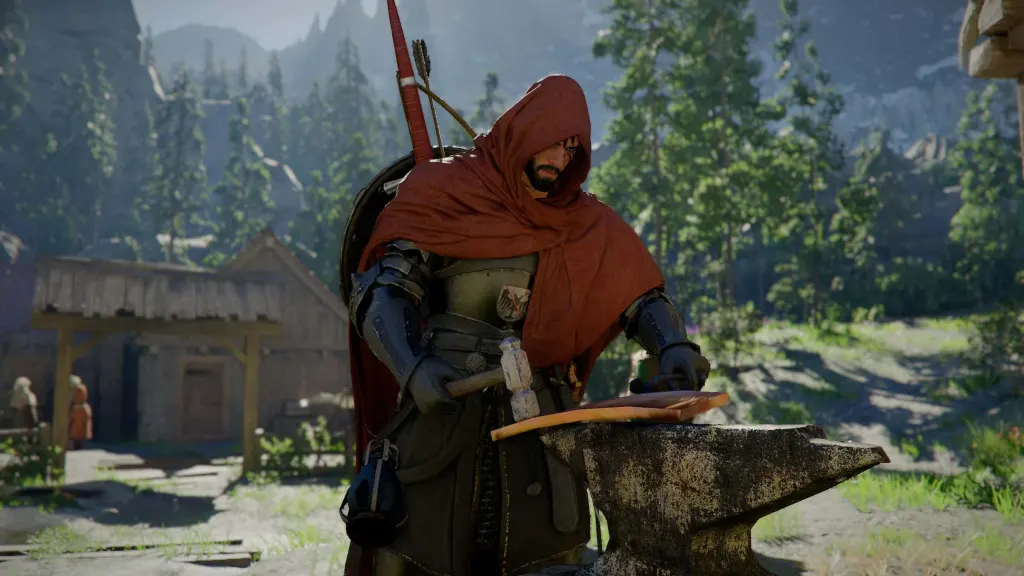
Crimson Desert is built on systems that do not immediately reveal their full depth. What seems straightforward early on often becomes more layered the deeper you go. Mechanics begin to overlap and small details start to matter in ways that are easy to overlook at first. That complexity is not accidental. It is a core part of the game’s identity. It creates a sense that there is always more beneath the surface waiting to be understood.
Many modern games smooth out these edges to make the experience easier to understand. Crimson Desert goes in the opposite direction. It gameplay is intentionally convoluted, allowing systems to remain complicated, trusting players to figure them out over time rather than explaining everything upfront. That approach can feel overwhelming in the early hours, especially when multiple systems start interacting in ways that are not immediately obvious. It requires patience that not everyone will be willing to give. The game assumes a level of persistence that feels increasingly rare in modern design.