Videos by ComicBook.com
Personal identity, or lack thereof, defines Marathon right now. Beneath its sharp gunplay and sleek aesthetic sits a major feature that threatens to cap its ceiling before it even truly launches. Marathon’s Runner Shell system effectively turns the game into a hero shooter, and that shift carries baggage the extraction genre does not necessarily need. Instead of empowering players to carve out their own identity within its world, Marathon funnels them into predefined archetypes, which is incredibly disappointing. For a game with this much promise, that limitation feels like a massive missed opportunity.
Runner Shells Make Marathon Feel Like a Hero Shooter
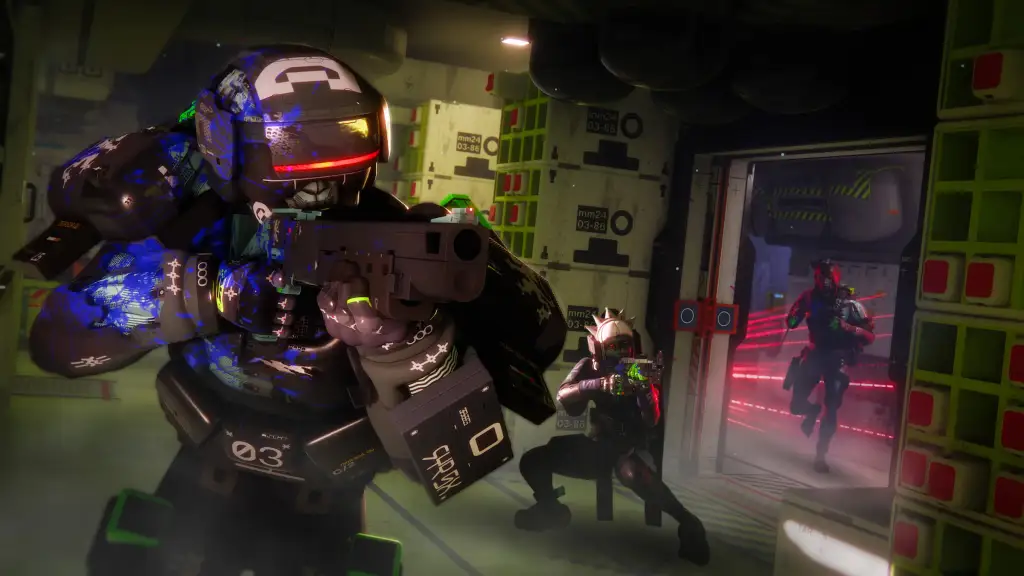
On paper, Runner Shells are an accessible way to define playstyles. Each Shell comes with unique passives and active abilities that immediately shape how a match unfolds. The intent is clear. Distinct roles create team synergy and memorable moments. In practice, though, this structure pushes Marathon into hero shooter territory, whether it wants to admit it or not. It’s disappointing because Bungie stopped short of allowing players to take the wheel of their own destiny in Marathon, when it didn’t have to.
Hero shooters carry a certain stigma, especially in competitive spaces where rigid character kits can feel restrictive. When abilities are locked behind specific characters, experimentation becomes constrained by design. Instead of asking what kind of build you want to create, the game asks which preset identity you want to adopt. That subtle shift changes how you connect to the experience.
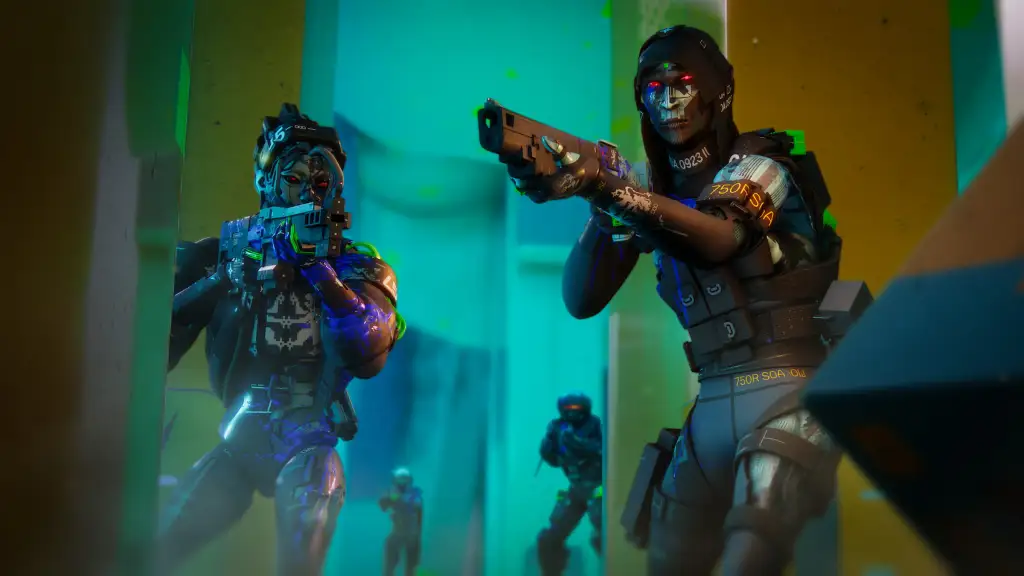
The absence of a personally customizable character amplifies this issue. Without a player-created avatar that grows alongside your choices, the world feels one step removed, which is the very thing you want to avoid in an extraction shooter. You are not shaping a runner through your own decisions. You are selecting from a lineup. That can work in some genres, but in an extraction shooter that thrives on tension and personal investment, it creates emotional distance.
Marathon is not a bad game because of this system. The core shooting feels solid, and the matches can be intense when everything clicks. Yet the more time spent with it, the clearer it becomes that Runner Shells are limiting what the game could have been. Instead of unlocking creativity, they box it in, neat, easy to understand, and with as little friction as possible. The result is a game where some loot is simply not usable, unless you’re playing the specific archetype the game tells you. That’s boring, and Bungie has firmly made a huge mistake with that design decision.
Custom Loadouts Could Restore Player Freedom and Connection
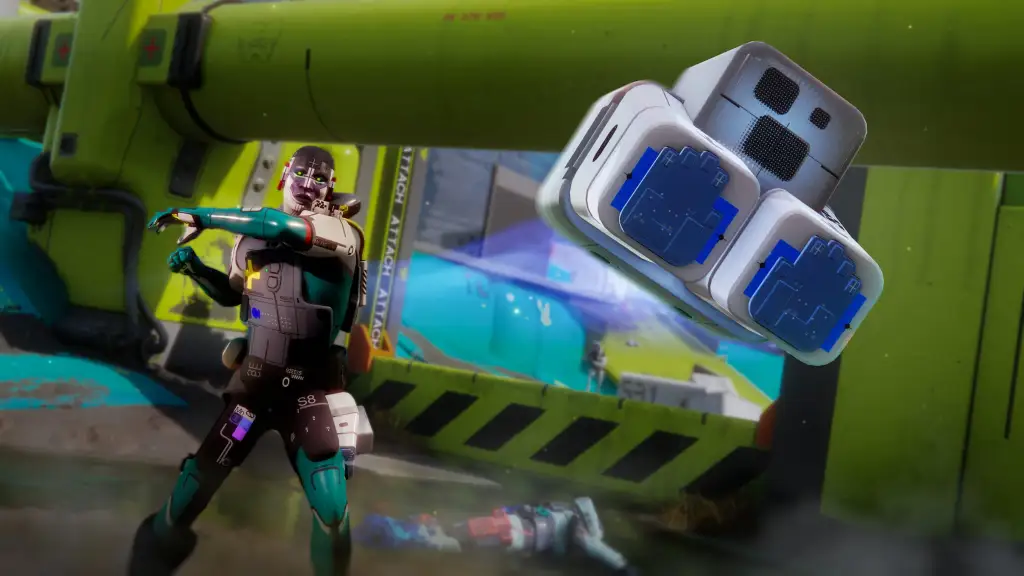
The most frustrating part is that the solution seems obvious. Many of these abilities could have been translated into loot and gear-based systems rather than being tied to fixed characters. Imagine if passives and actives were equipment choices that could be mixed and matched to create truly personal builds. That approach would have greatly expanded player expression, creating that personal hook that keeps people playing long-term. Sure, there might need to be some extra attention to balance, but the point is player retention, right? So who cares? Do what must be done.
In reality, a system closer in spirit to Cyberpunk 2077 demonstrates just how powerful freeform build crafting can be. In that game, skills and cyberware combine in incredibly fluid ways that let players shape their own archetypes and identities instead of selecting a premade one from a menu. The result is ownership. The character feels like a reflection of your decisions rather than a template handed to you.

Marathon flirts with that depth but stops short. By locking defining mechanics inside Runner Shells, it sacrifices true build flexibility for boring, easy clarity. While clarity has value, sure, it comes at the cost of individuality. In a genre where long-term engagement depends on experimenting with new combinations and refining personal playstyles, that tradeoff feels shortsighted.
There is still time for adjustment, at least in theory. Bungie could expand the system post-launch and introduce more freeform customization that lets players build their own heroes rather than renting them. The concern is timing. Being this close to release, sweeping structural changes become less likely. Marathon remains exciting in flashes, yet it feels disappointing precisely because it avoids the bold step that could elevate it.
By choosing predefined heroes over player-driven creation, it risks undermining its own potential before it ever fully arrives. That’s truly a shame, because Marathon has created an interesting world to explore, but it doesn’t let you define yourself in it.
What do you think? Leave a comment below and join the conversation now in the ComicBook Forum!