Videos by ComicBook.com
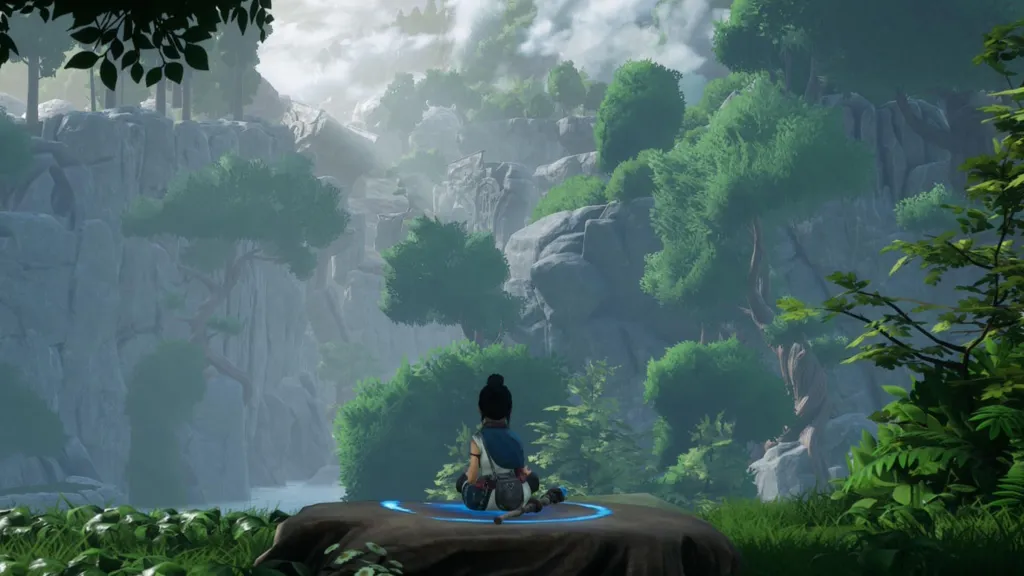
Kena originally launched as a PlayStation exclusive back in 2021, but it just made its way to the Switch 2. Playing it for review was my first experience with the game, which has earned a place among the most beloved indie titles in recent years. I was drawn in by the art style and synopsis about a young Spirit Guide on a journey, but I didn’t really know what to expect from the game itself. So I was both surprised and delighted to find that playing Kena: Bridge of Spirits took me back to my formative years as a young gamer struggling her way through The Legend of Zelda.
Kena: Bridge of Spirits Has an Old School Approach to World Exploration
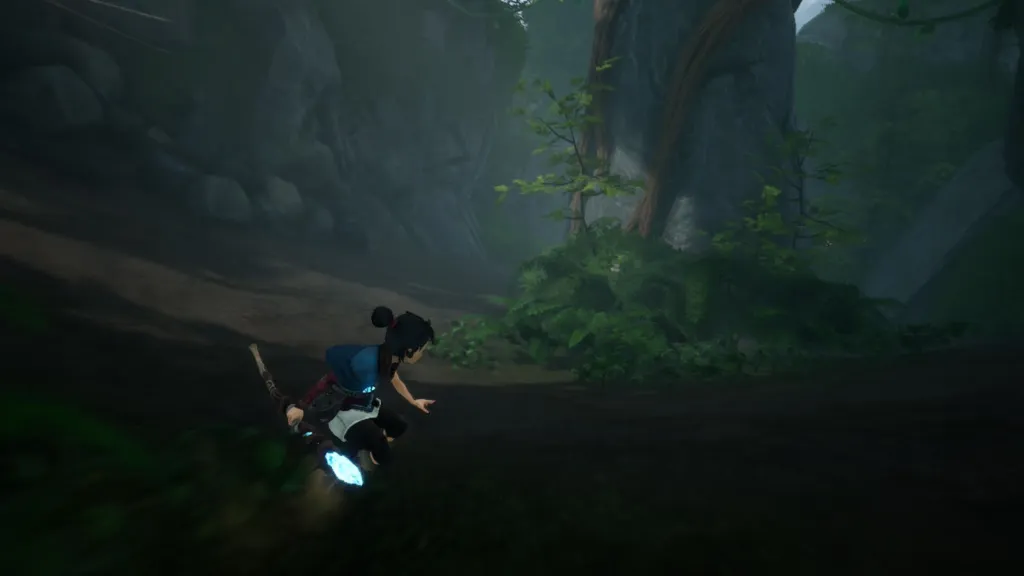
Prior to jumping in to explore Kena for myself, I mostly knew that the game had cute lil Rot spirits and crushingly difficult combat. That juxtaposition was enough to make me eager to jump at the chance to play it, but it didn’t quite tell me how I’d personally feel about the game. Cute critters I’m here for, but combat can be a mixed bag. I do love a good action RPG, but I also get frustrated easily and have never quite acquired a memory for complex fighting-game move combos. So I was surprised and delighted to find that I fell in love with Kena right from the start, and not for any of the reasons I expected to.
Early on, I noticed that playing Kena felt different from many of the games I’ve played in recent years. It throws you right in with basically no prologue and lets you uncover the story along the way. Similarly, there’s not really much in the way of a tutorial. You get a quick tip box when learning new controls and skills, but there’s no extended onboarding process. You’re just a girl in the woods with her spirit powers, and you’ve got to figure out what you’re meant to do next. For me, that took me right back to my love/hate relationship with early Legend of Zelda games.
Some of my earliest gaming memories center on wandering around in games like Ocarina of Time, trying to figure out what the heck I was supposed to be doing. In general, games these days offer a bit more guidance. Quest markers have become pretty commonplace, giving you an on-screen indicator of where to go next, often right on a mini-map or bar at the top of the screen. By contrast, many earlier video games like The Legend of Zelda forced you to figure it out for yourself. This could be incredibly frustrating if you’re as great with direction as I am (read: not great at all). But it also made finally figuring out the missing piece of the puzzle all the more satisfying.
Kena kind of splits the difference here. You do have a map with some general indicators of where you need to go next. But there’s no quest marker to walk towards when you’re actually navigating the world. And while the map shows you basically where to go, what you need to do to unlock access to each area is a puzzle you’ve got to solve. Surprisingly enough, I found that I really loved working a bit harder to figure out my next steps. It felt nostalgic in the best way, and it reminded me why I fell in love with games.
Playing Kena: Bridge of Spirits Reminded Me Why I Fell in Love With Gaming in the First Place