Videos by ComicBook.com
However, times have changed in a big way. Analysis of the games market in the aftermath of the Switch 2’s launch suggests that third-party games on the new Nintendo console pulled in a lot of money for the developers. As shifts in the industry make the Switch and Switch 2 a natural home for third-party gaming, Nintendo finally has a chance to make up for one of the biggest drawbacks their previous generations of consoles suffered from.
The Nintendo Switch 2 Helped Third-Party Gaming Companies Earn Over $1 Billion
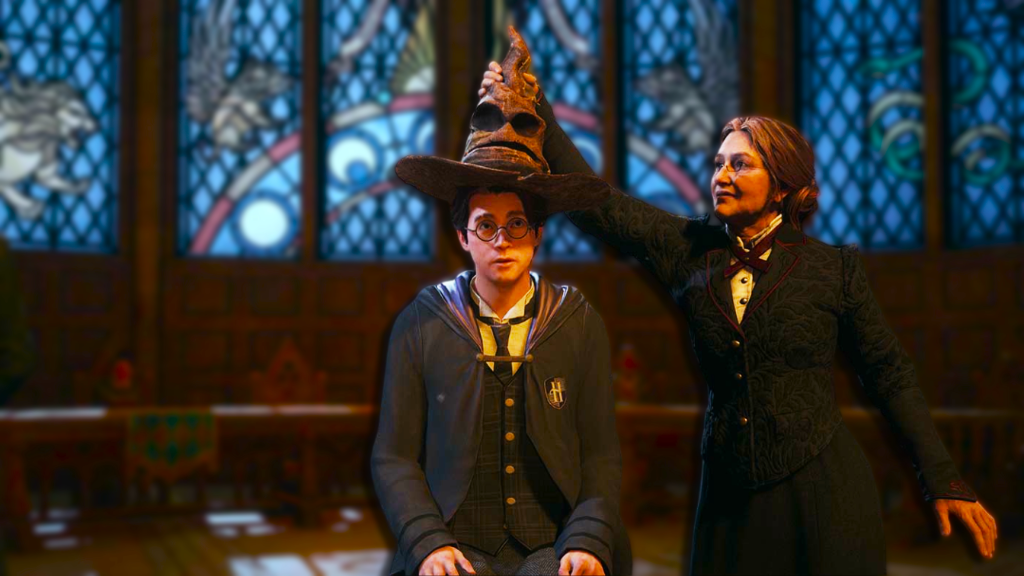
According to Ampere Analysis, the launch of the Nintendo Switch 2 was a massive boon for third-party developers, with over $1 billion in global gaming sales attributed to Switch 2 titles. Launching in June of 2025, the Switch 2 quickly blew up and had a historically strong debut. While this also benefited plenty of in-house Nintendo games like Mario Kart World and Donkey Kong Banazna, it also had a notable impact on the status of third-party titles. Third-party software sales were reportedly up over 75% over last year, thanks to Nintendo’s third-party access.
WB Games had one of the biggest successes thanks to the enduring appeal of Hogwarts Legacy to the broader player base, but the top ten third-party publishers — WB Games, Bandai Namco, EA, Level-5, Ubisoft, Square Enix, Microsoft, Sega, Take-Two, and Capcom — cumulatively earned over $1 billion in sales from June to December of 2025. Part of this can be chalked up to the increased price of Switch 2 games, which resulted in sales bringing in more per unit. However, that success is hard to ignore.
The success of the original Switch and the massive debut of the Switch 2, coupled with the increasing price of competition like the PS5 and Xbox Series S/X, has positioned the Switch and Switch 2 as ideal homes for third-party games. That’s an exciting development for Nintendo, as it could help strengthen the console’s overall library, helping the platform compete more naturally with upcoming devices like the Steam Machine. It’s also a huge shift away from Nintendo’s old reputation with third-party developers.
Nintendo’s Tricky History With Third-Party Publishers
Nintendo has had a difficult history with third-party developers, especially in previous console generations. In the early days of the NES and SNES, the company’s exclusive deals with certain developers made Nintendo the home of hit franchises like Square’s Final Fantasy, Konami’s Castlevania, and Capcom’s Mega Man. However, as competition like the Sega Genesis and then the Sony PlayStation established themselves, Nintendo began losing those rights.
Unique hardware for Nintendo consoles further complicated the issue for third-party publishers, with the compact discs of the PlayStation proving to be a more enticing direction over Nintendo’s continued focus on cartridges and all-ages material over the more mature games being made for other consoles. This had an impact on the public perception of Nintendo. This trend only got worse in the GameCube era, where the unique discs used by the smaller console put further constraints on developers.
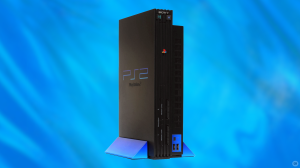
There were definitely still third-party releases on the GameCube, but developers were far more likely to invest their time in designing their games for the PS2 or the Xbox. The GameCube even became somewhat infamous for its relative lack of third-party support compared to other consoles, to the point where Capcom’s decision to release exclusive games on the GameCube was a huge deal — only for the company to eventually reverse course and release the games on the PS2 as well. This overall shift had a major impact on the PS2, helping flesh out the console’s library into one of gaming’s most impressive collections of titles from unique developers.
Unique hardware like the Wii and the Wii U continued to complicate matters. While third-party support for the Wii encouraged developers to make experimental new titles, it paled in comparison to what the competitors were getting. The Wii U’s weak sales only made the situation worse, leading to a sparse game library for the console. The Switch, which adapted to a digital landscape fairly quickly, has found a much greater level of success with third-party developers, leading to an influx of games — and subsequently, profits.
Nintendo’s Third-Party Success Is A Big Deal

For long-time Nintendo fans, this shift towards third-party support has been a long-time coming. It’s helped broaden the Switch’s appeal beyond the typical in-house hits that have long defined the publisher, while also encouraging a broader connection to the larger gaming community. While the Switch and Switch 2 ports of third-party games might not have the same visual sheen as their cousins on rival consoles, that access is still a big deal given that the company used to be infamous for not having enough third-party games. It also comes with less restraint in terms of content, with more “M” games available on the Switch and Switch 2 right now than Nintendo ever collectively allowed in the past.
Nintendo assuming this space in the larger gaming industry may be the key to Nintendo enduring the risk posed by the changes in the industry. Supply chain issues and CPU shortages have played a role in increasing the price of all consoles, including the Switch and Switch 2. However, those consoles still remain relatively affordable compared to the likes of the upcoming PS6 and Microsoft’s Helix Project, both of which could run in the range of $800 to $1000.
The deep third-party support the Nintendo consoles now enjoy ensures that players of all ages and with all sorts of preferences can find something on the system. It also means the Nintendo Digital Store and online services can help the Switch and Switch 2 naturally compete with the Steam Machine, which has a huge advantage thanks to the sheer vastness of the Steam catalogue. Earning third-party developers over $1 billion in six months could just be the start for Nintendo’s future, and it’s a very exciting evolution over one of the GameCube era’s biggest problems.