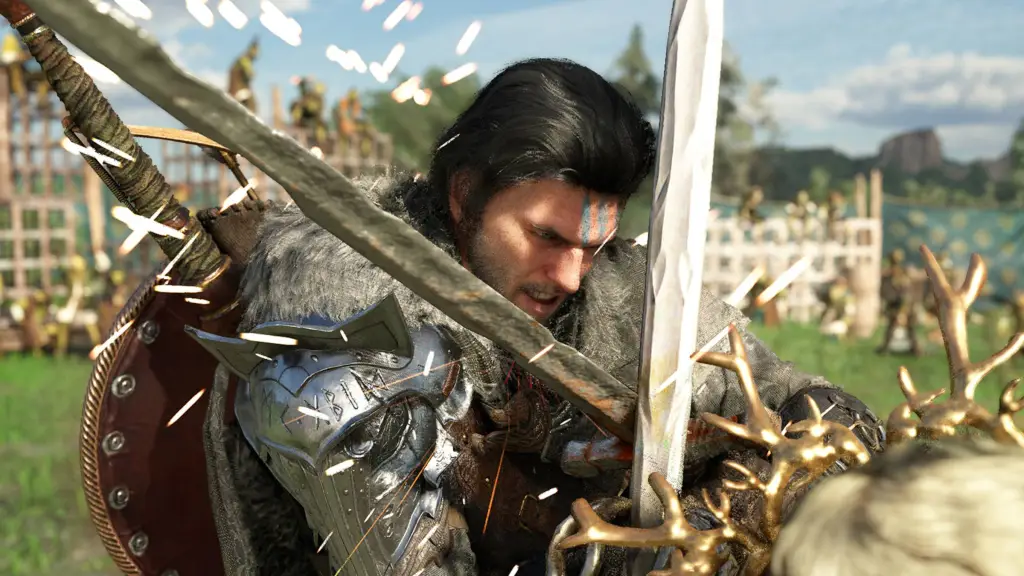
Within days, players began to see the subtle logic of mechanics, the connections between systems, and the richness of a world built to be understood over time, not rushed. In less than a week, the Steam ratings (player provided reviews) surged from “Mixed” to “Very Positive”, showing that patience transforms the experience entirely.
Early Confusion Gave Way to Appreciation
Courtesy of Pearl Abyss
The early complexity was a crucible separating those willing to engage deeply from those expecting instant understanding. Chaos turned into clarity as mechanics revealed their depth and exploration began to feel like genuine discovery. Every encounter rewarded observation, every system made sense in hindsight, and slowly, what once overwhelmed now fascinates. The rise in Steam reviews proves that first impressions tell only part of the story.
At launch, Crimson Desert demanded more than most players were ready to give because the game has a lot of moving parts that get compounded more and more as you play. There are a lot of systems in the game, and those systems overlapped as new mechanics unfolded slowly over time too. During all of this, very little was explained outright, creating a well of confusion that defined early reactions. Those who expected a smoother introduction met harsh friction, and that friction shaped the first wave of impressions and even some critic reviews. Players struggled not because the game was poorly designed (though that was stated as part those initial impressions), but because it did not spoon-feed its depth. The complexity was intentional, asking players to observe, experiment, and slowly grasp how the world worked.
Over time, that confusion began to shift into understanding. Mechanics that once felt isolated started to make sense, and the interplay between systems revealed a web of interactions players had not anticipated. Appreciation has grown as players realized the game was not punishing, just demanding patience.
The Steam rating reflects this stark shift in perception. Moving from Mixed to Very Positive in a matter of days shows that more players are reaching the point where the game clicks for them. That initial frustration is still part of the journey, and will probably remain so, but it no longer defines it. Instead, clarity has filled the void and a want to understand the game’s systems and gameplay. Word of mouth has spread about Crimson Desert‘s long-term experience. That transformation, subtle yet powerful, validates the idea that patience is the key to unlocking the game’s full potential.
Patience Unlocks Crimson Desert’s Full Potential
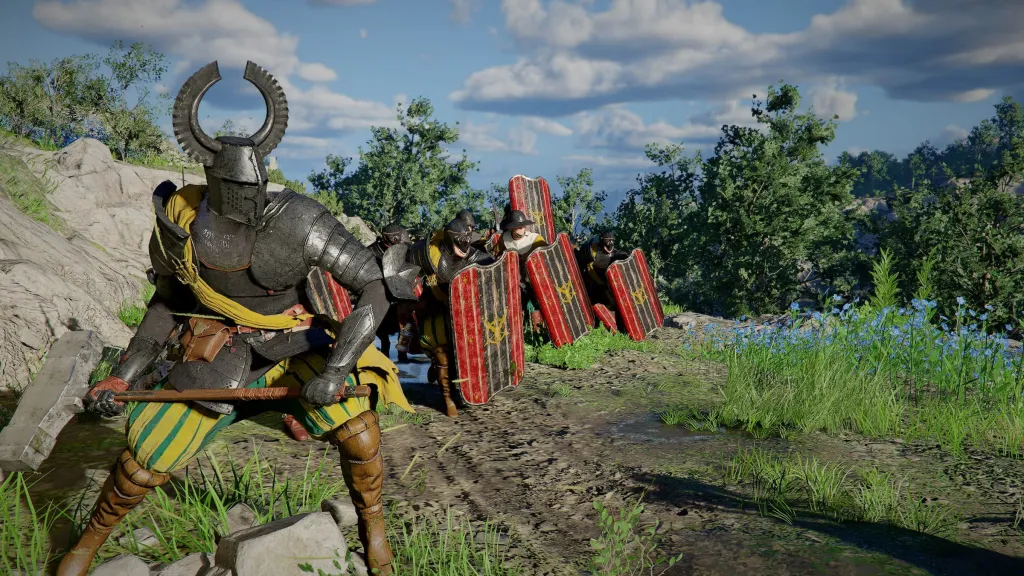
Courtesy of Comicbook
As has been said many times at this point, Crimson Desert does not reward speed or urgency. It unfolds slowly, asking you, the player, to engage with its systems at your own pace and to explore the layers of its design. That approach may feel demanding in a landscape full of immediately gratifying experiences, yet it is precisely what gives the game its staying power. Every mechanic, every system, and every corner of the world is designed to reward time spent learning and experimenting. Patience turns complexity into mastery, and attention into meaningful progress.
Those who embrace that pace see the payoff, and with the clear change in consumer review status on Steam, it seems the community surrounding the game has come to realize what its up against. Mechanics, once confusing, once the bane of clarity itself, reveal themselves as clever and interconnected. Ignorance has begun to give way to comprehension, as players grow not because they complete tasks, but because they want understand the world in front of them, in its entirety. That type of engagement makes progression feel earned rather than forced.
Ultimately, the recent change in Steam ratings illustrates the result. A clear change of heart. As more players reach the point where the game’s design begins to click, they encounter the richness that initially seemed overwhelming. Crimson Desert does not change; the players do. That understanding transforms the experience, confirming that persistence and a little patience are essential to appreciating what the game (or any game) truly offers. The picture has been painted, and hopefully the rest of the industry; publisher, developer and consumer alike, takes notice of the lesson presented here.
What do you think? Leave a comment below and join the conversation now in the ComicBook Forum!