Videos by ComicBook.com
When the Nintendo Wii released in November 2006, it brought a whole new dimension to video games. While previous consoles had some motion control features, such as the Dance Dance Revolution controller mat, Wii took it up several notches. The Wiimote spawned a whole generation of games with movement in mind, and the console was incredibly popular with families and at parties as a result. Naturally, Xbox and PlayStation wanted a slice of that pie as well. And on November 4th, 2010, Xbox entered the area with the Xbox Kinect.
Xbox Kinect Was Last to the Motion Controller Game For a Reason
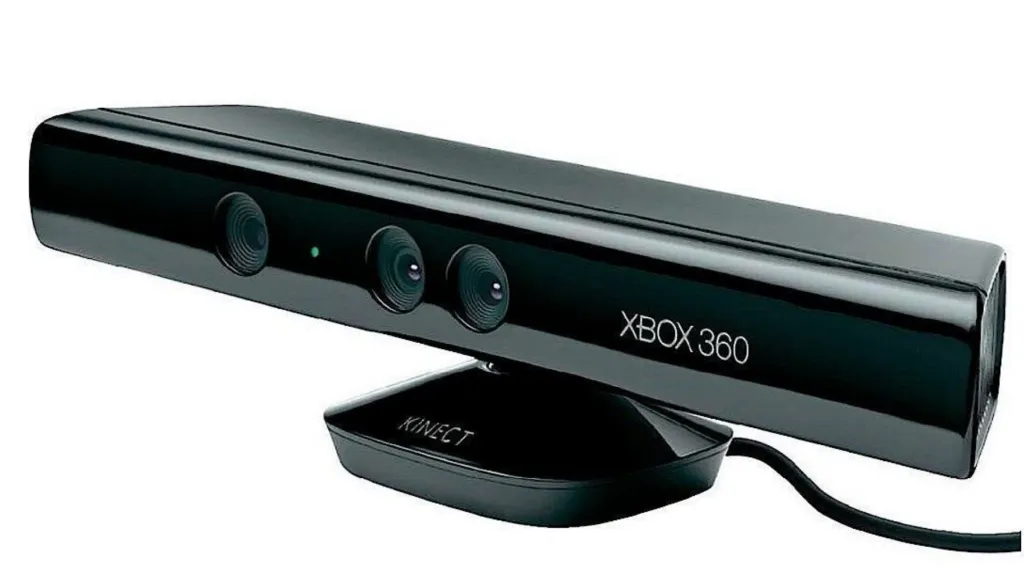
The popularity of games like Wii Sports and other motion-control party games spurred other consoles to compete. In September 2010, PlayStation launched its PlayStation Move controller. Then, Microsoft followed suit with the Xbox Kinect for Xbox 360, which arrived in November that same year. That made Xbox last to the game, but the hope was that the Kinect would stand out by doing something different.
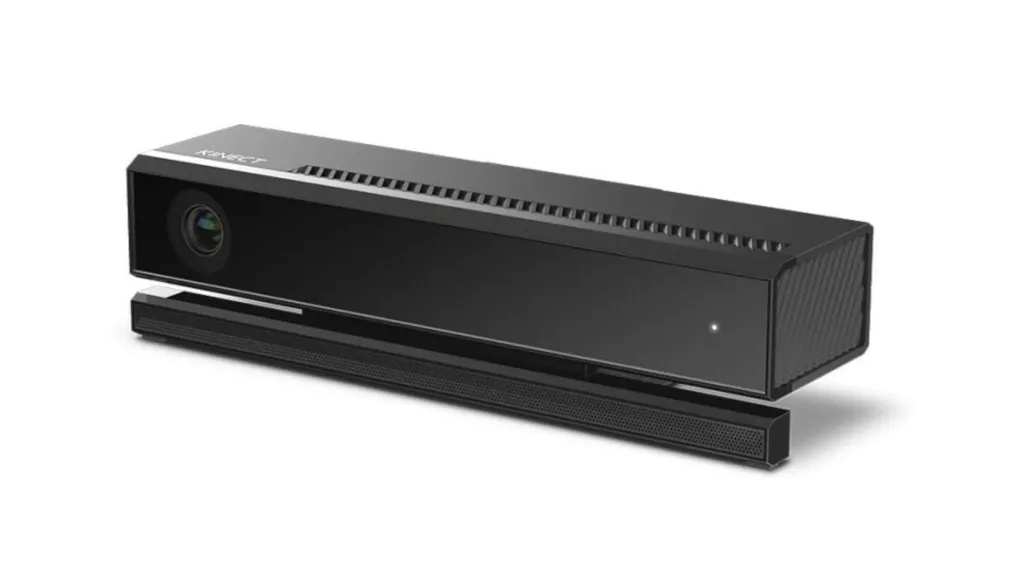
While the Wii and PlayStation Move both required physical controllers, the Kinect attempted to ditch them altogether. Instead, it would use a camera and motion recognition technology to track player movements and translate them to the game. It also utilized voice controls in a day and age well before we were all asking Alexa and Google to tell us the daily forecast. This theoretically would make gaming a more seamless experience, adding to immersion. But in practice, the Kinect didn’t quite deliver.
The full body motion sensing and lack of a physical controller was ambitious for the time, and it showed. It turns out, there may be a reason why even the Switch 2 still relies on Joy-Cons and physical controller products for its motion sensing tech. The Kinect didn’t always respond quickly enough to gestures, or didn’t recognize them at all. It also required a specific amount of open space to function properly, limiting where it could be set up in a given household. But even as future iterations of the Kinect improved upon these issues, the device never really took off. Ultimately, the Xbox Kinect was discontinued in 2017.
Why Xbox Couldn’t Make Kinect Happen