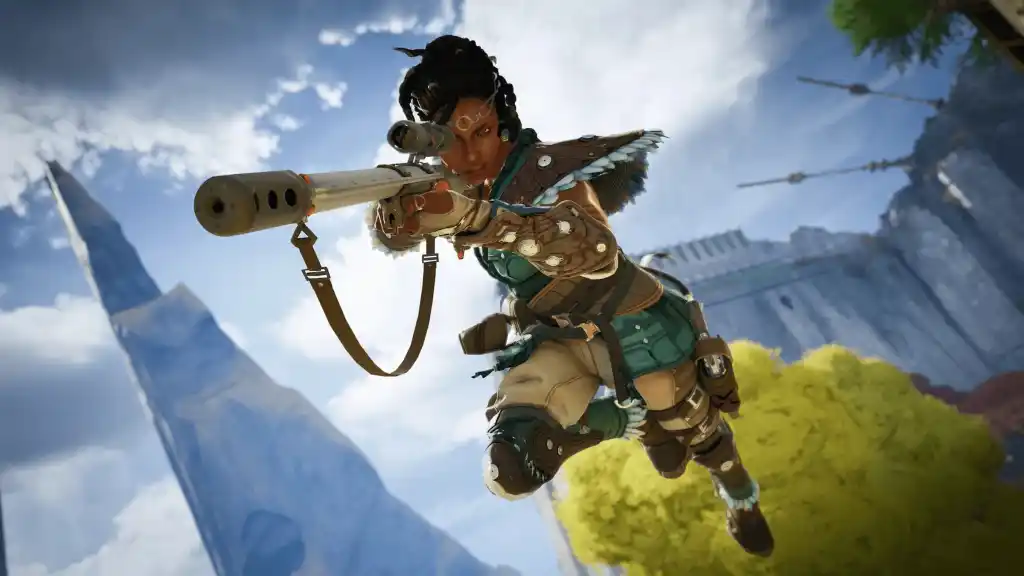
Of course, I am referring to the ill-fated hero shooter, Highguard, that lasted just 45 days before being shut down by its developer. There was quite a lot riding against Highguard, from its unfortunate placement at the end of the 2025 Game Awards show to its sudden exodus of players mere days after launching. Still, there were many merits to both Highguard’s design and its place in the hero shooter genre, which makes its swift departure all the more upsetting. Fortunately, in a somewhat bittersweet twist of fate, Highguard’s failings may just save other games from suffering a similar fate in the future.
Highguard Never Should Have Launched The Way It Did
Image Courtesy of Wildlight Entertainment
The sad part about Highguard’s surprise downfall, aside from the fact that, beneath it all, there was a great game there waiting to be refined, is that it was completely avoidable. A large reason for Highguard’s untimely failure stemmed from the fact that the leadership at Wildlight Entertainment adopted a terrible release strategy, all but ensuring it killed Highguard long before it had a chance to stumble out of the gate. That isn’t, of course, to detract from the damage that blindly judging Highguard long before it released did, although my feelings about people lambasting a game with negativity before it launches are well documented by this point.
However, Wildlight Entertainment’s decision not to soft-launch Highguard into some form of Beta before launching to the masses really hurt it in the long run. According to a Bloomberg article detailing the downfall of Highguard, Wildlight Entertainment’s top brass allegedly “nixed” the idea of doing a limited run of Highguard to gauge player interest and feedback, as it had hoped to replicate the success of Apex Legends’ shadow drop release strategy. The difference, however, is that Apex Legends was launching during a small window in which live service fatigue hadn’t set in, and battle royales were still all the rage. Highguard did not have such a luxury and instead was released into an unbelievably saturated market at a time when being critical of live service titles is more popular than ever.
It is clear after having played Highguard that there was still a lot of work that needed to be done to make its core gameplay loop satisfying. Had it been soft-launched in a limited-time Beta, Highguard’s developers could have then implemented the much-needed feedback with the knowledge that people would play it with the expectation that it wouldn’t be ready, and be willing to accept flaws. Instead, people dropped off quickly with no interest in returning because they’d played it with the expectation of it being finished and had no patience to wait for it to improve.
This strategy has been used to great success in the past, with recent examples such as the likes of Arc Raiders and Marathon showcasing how effective the Beta period can be to establish expectations and build a community raring to go at launch. Of course, there are examples of it not working, such as Concord (which frankly released its Beta far too close to launch). However, for the most part, if timed correctly and done with the right intentions, a Beta can hugely improve a game’s chances of survival in this overstuffed industry full of games endlessly vying for your attention.
More Multiplayer Games Need Soft Launches
Image Courtesy of Guerrilla Games
It seems obvious to me that soft-launching a multiplayer game is the way to go nowadays. While a studio like Bethesda can get away with shadow dropping a single-player game such as Oblivion Remastered without worrying about short-term sales affecting its longevity in the market, live service games simply cannot afford to release without people having first gotten an opportunity to offer feedback. A multiplayer game only has a chance to survive if it makes the right impression at launch, as people simply have too much to do and play to warrant wasting time hoping a game will get better in the long term.
Betas don’t really risk ruining that first impression, due to the aforementioned understanding that it is merely a test, a tease of what is to come and what is possible with just a tiny bit of tweaking. Additionally, by involving people in the development process to a minimal degree through said Betas, you build a community, something that is essential to the survival and success of any live service title. Of course, not every studio can afford to prolong development with a lengthy Beta period, and it is understandable in that instance to attempt to generate hype from word of mouth and marketing tactics like shadow dropping. However, for the majority of AAA studios attempting to penetrate the market with a fresh new live service experience, a Beta feels like a must.
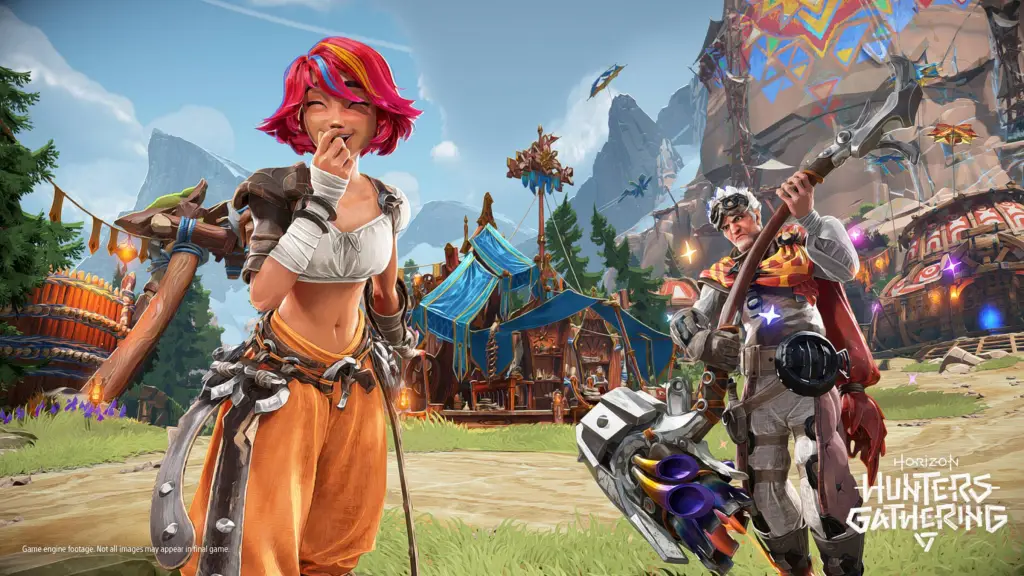
Sony has wisely chosen this route for its controversial Horizon Hunters Gathering, a game that was surely destined to share the same fate as its compatriot Concord had it refused to showcase what it has to offer long before launch. Similarly, Valve has found immense success through its extremely extensive Beta period for Deadlock, which has been quietly generating hype in the background while building an extraordinarily loyal following eager to sing its praises. Perhaps ten years ago, these games could have eschewed the Beta period in favor of a more flashy launch, as the market was substantially less saturated. However, today, that is not a viable option anymore for fledgling new titles and especially brand-new IP, regardless of the talent behind it.
As always, the industry must merely evolve in order to accommodate the shifting interests and needs of its consumers, and, at least in the live service space, said evolution necessitates the use of Betas. I am extremely saddened by the loss of Highguard in much the same way as I was with Concord. At the end of the day, talented artists lost their jobs, and we lost access to yet another piece of art. However, we should not allow it to die in vain, having left little of consequence other than some extremely pretty screenshots to oogle. I sincerely hope that future developers heed Highguard’s warning, and the hubris of Wildlight Entertainment’s leadership team, and don’t launch without at least a brief Beta period to show off to the world why it is we should all care about their game over the hundreds of others endlessly warring for our dwindling attention.
Do you think more live service games need Beta periods before launch? Leave a comment below and join the conversation now in the ComicBook Forum!