Videos by ComicBook.com
The comic book industry, as a whole, has made some steps toward fixing the imbalance between male and female characters; heroes like Kamala Khan and Batgirl have taken the world by storm. Each year brings new heroines to the table. That said, we still have a long way to go. Remember that more female heroes mean a larger collection of diverse perspectives for readers, providing a richer storytelling experience and more. These stories can only help to uplift and expand the community, not harm it.
Over-Reliance on Male Templates and Counterparts
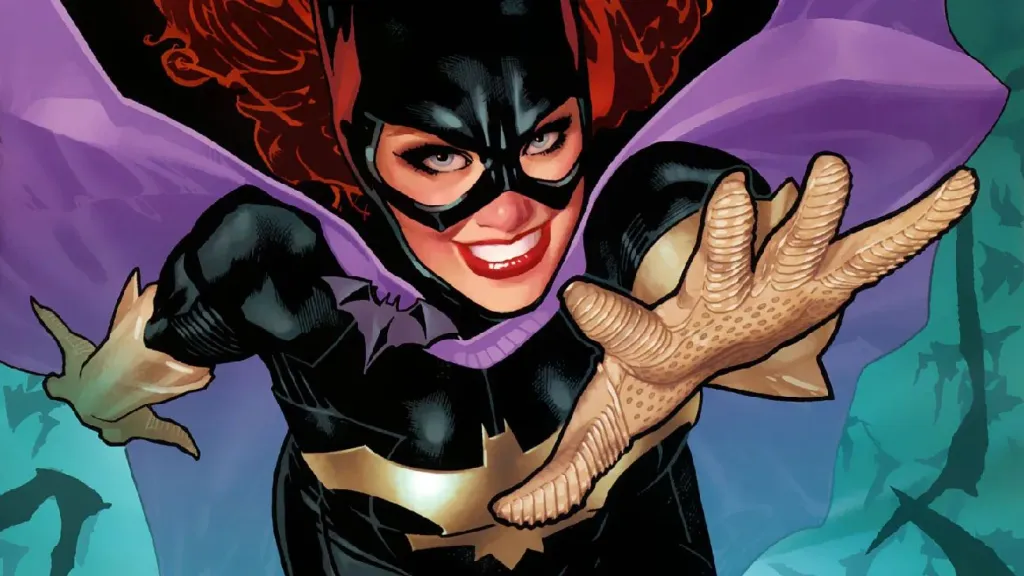
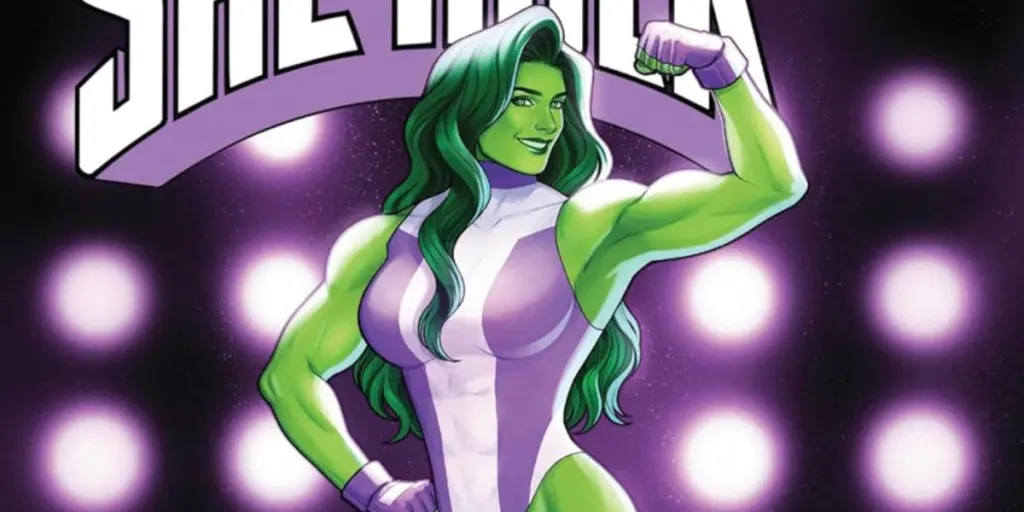
Part of the problem, as it stands, is that too many female superheroes are based on male counterparts. There are too many examples to include them all, but here are a few: Batgirl (Batman), Supergirl (Superman), She-Hulk (Hulk), Spider-Woman (Spider-Man), etc. While many of these heroes have evolved and developed their own identities over time, it doesn’t negate how their origin is rooted in male predecessors.
This is a bigger problem than it may appear. By consistently pushing heroes like this, we’re perpetuating the idea that women only matter when they’re an extension of existing male icons. We know that this isn’t true, yet pop culture and media really love to push that concept at us.
Leaning On Legacy Characters
A lot of this stems down to the insistence on using legacy characters. Legacy characters are people who inherit their name (or powers, role, mantle, etc) from an existing hero. A classic male example of this would be how the Robin mantle has been handed down several times. It isn’t inherently bad, but it can be when used to limit potential.
The comic industry loves to use legacy as a way of introducing new heroines. Truthfully, it can work. Kamala Khan is a fantastic example of a legacy character who took the story and made it her own. She picked up the Ms. Marvel mantle after Carol Danvers became Captain Marvel, but that mantle has never, and will never, define her.
Naturally, there are a few problems with legacy characters. To start with, the fandom isn’t always quick to accept them, particularly given how tired we are of seeing it happen. Legacy characters are often perceived as replacements, often feeling less permanent than their counterparts. Additionally, legacy characters can signal an attempt to avoid risk, which in turn teases a lack of faith. This can become a bit of a self-fulfilling prophecy, as nobody wants to get invested in a series/character that’s going to get cancelled after ten issues.
Finally, by following a legacy formula, creatives often rip the potential of original mythologies from characters. Let’s be real; some of the most memorable new characters hit the scene hard because they stood out. They were allowed to try something new right out of the gate, and that helped them succeed. We need more of that across the board.