Videos by ComicBook.com
Spider-Man’s first appearance was in 1962, so with over six decades of comic books and storylines, it might seem daunting for new readers to know which issues to pick up that show why the character is so special. Here is a look at five comics that new readers could read to quickly get up to date on the history of The Amazing Spider-Man.
5) Amazing Fantasy #15

There are some classic comics that fans should read to catch up on Spider-Man, but the one everyone should read is the one that started it all. Released in 1962, Amazing Fantasy #15 was Spider-Man’s first-ever Marvel Comics appearance, created by the team of Stan Lee and Steve Ditko. This issue introduced Peter Parker as a high school nerd who the bullies pushed around.
A radioactive spider bit Peter, and he gained superpowers, which went to his head. He sought celebrity status and allowed a thief to escape, which in turn led to the death of his beloved Uncle Ben. This was the one issue that shows why Spider-Man chose to become a hero, why he has the belief system he does, and why he always carries past trauma with him every step of the way.
4) The Death of Jean DeWolff
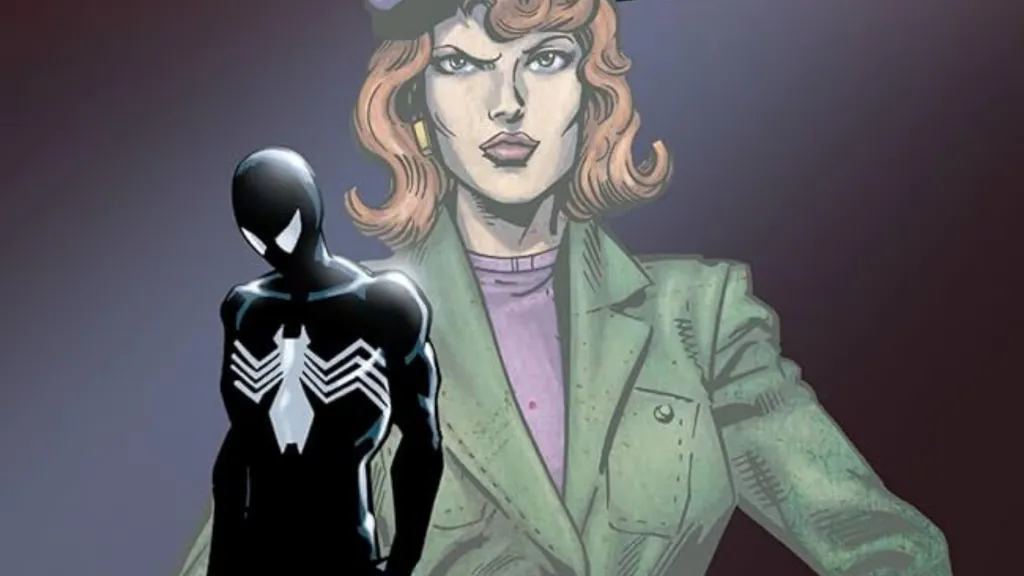
Spider-Man’s biggest problem throughout his life is losing his loved ones. His Uncle Ben died when Spider-Man chose to let a thief run free. Gwen Stacy died when he couldn’t save her from the Green Goblin. Gwen’s dad died when he couldn’t save him from Doctor Octopus. His best friend, Harry Osborn, died, and Peter blamed himself. If you just read one story about Spider-Man losing someone he cared about, read The Death of Jean DeWolff.
At a time when most police officers thought Spider-Man was a vigilante they needed to arrest, Captain Jean DeWolff was one of the few who trusted him, and they worked closely together. This storyline is a mystery. Someone killed Jean DeWolff, and Spider-Man has to figure out who did it and why, and then decide what to do about it. Based purely on the quality of the story told, this was the best of the Spider-Man death plots in Marvel Comics.
3) Amazing Spider-Man Vol. 1 Back To Basics

It might be best for new readers who want to get into Spider-Man comics to start with something newer so they can get involved in his current storylines. This might be best served by reading Spider-Man: Back to Basics by Nick Spencer and Ryan Ottley. This is a great jumping point for new readers because the series puts Spider-Man back into conflict with some of his best villains and also shows a great deal of his personal relationships with family and friends.
This was initially a way to get Spider-Man slightly rebooted after Dan Slott’s long run on the title, and served as a way to reboot the series, which is where it remains in canon to this day. Anyone who wants to jump in and start reading to the present should start here and just read to the present day.