Videos by ComicBook.com
Warning: Spoilers Ahead for Naruto Shippuden’s Akatsuki Suppression Mission Arc!
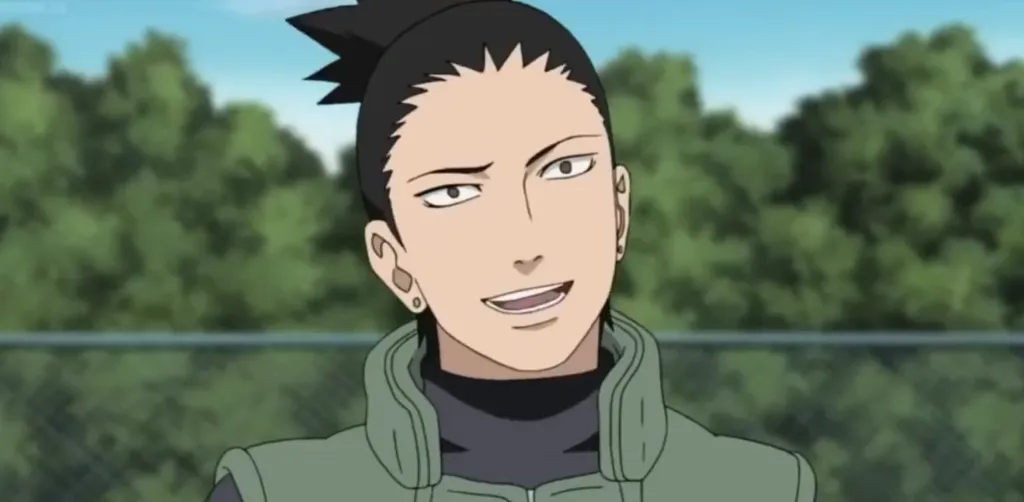
Instead of following Naruto and the rest of Team 7, Episode 82 centers around the members of Team 10, namely Shikamaru, Ino, and Chōji, as they deal with the death of their sensei, Asuma Sarutobi. There are no epic battles or over-the-top drama, just human emotion at its worst and love at its best; even the titular protagonist barely appears, instead depicted as a supporting character at the public funeral in the wake of his death. And thanks to all that, it might just be the most human episode the Naruto series has ever given us.
A Visual Masterpiece
The first thing you’ll notice about this episode is how completely different it looks from other Naruto episodes. The animation is softer and more realistic, with muted tones that make you feel the weight of what’s happening. Instead of focusing on the bright oranges and blues we’re used to seeing, this episode draws your attention to facial expressions, body language, and the overall atmosphere.
You can tell the animators really wanted viewers to feel the loss. Simple moments, like Shikamaru just staring at the sky or sitting in complete silence, hit harder than any dramatic speech could. It feels like a short film, separate from the usual energy of Naruto, and that’s what makes it unforgettable.

Shikamaru’s Breakdown: One of Shippuden’s Realest Moments
While the entire episode focuses on Team 10 dealing with the death of their teacher, what makes it so special is how the show actually takes time to really explore these characters who are usually in the background. It shows them as real people with deep emotions and not just supporting characters. One of the realest moments of this episode comes from Shikamaru, the usually calm and composed genius of the group. We see him skip Asuma’s funeral, avoid his friends, and spend all his time silently sitting outside, staring at the sky.
At first, you might think he doesn’t care, but that’s just Shikamaru bottling everything up inside. Then his father, Shikaku, tries to help by getting him to play shogi, a Japanese chess-like game, and talking about Asuma, with whom Shikamaru used to regularly play as well. You can feel the pressure building with every move on the board, Shikaku provoking his son methodically so that he can process his loss healthily, until Shikamaru breaks down, yelling at his father and then bursting into tears. Watching him break down is one of the most heartbreaking moments in the entire series as we get to see all the anger, sadness, and confusion he has been holding inside finally pour out.

Grief Becomes Purpose
But after Shikamaru gets all that emotion out, he sits down with that same shogi board and starts plotting a strategy to take down Asuma’s killers, Hidan and Kakuzu. It’s not just about revenge anymore; it’s about closure. When Chōji and Ino ask him if he’s really going after them, he’s surprised that they were thinking the same, and they all want to finish what their sensei started.
Before leaving the village, Shikamaru finally visits Asuma’s grave and apologizes for not coming sooner. He just stands there quietly, then pulls out Asuma’s old lighter, a symbol of their bond, leaving a lit cigarette at his mentor’s grave with a promise never to hesitate again, in grieving or in the line of duty, showing Shikamaru grasping at adulthood. This tiny scene says so much, and it’s the anime that gives this moment the weight it deserves, which was barely touched on in the manga.