Videos by ComicBook.com
Here, with love for the classic series in our hearts, we’re digging into some of those things fans love to argue over. For the uninitiated, a quick note here: when we refer to Naruto‘s halves, we mean in terms of the manga. The first half was animated as Naruto, and the second was animated as Naruto: Shippuden.
1) The Sound Village Just Disappears

The Hidden Sound Village (Otogakure) was Orochimaru’s “village” comprised of a loose network of laboratories, and it was pivotal in Naruto‘s first half. Orochimaru claimed to have founded the village so that interested shinobi could escape the war-centered life of the Five Great Nations, which, to be frank, is completely fair. In reality, though, Otogakure was just a place where Orochimaru and his shinobi could carry out their experiments and train in private.
The Otogakure provided a means for Orochimaru to infiltrate the Chunin exams and, later, invade Konoha. The village is pivotal to both the “Chunin Exams” and “Konoha Crush” arcs, but after that, the village practically disappears, only occasionally being mentioned when it’s relevant to whatever’s on-screen. Orochimaru’s arc writ large doesn’t exactly make sense (don’t worry, we’ll get to that), but much more could have been done with Otogakure than Kishimoto seemed to think.
2) Izanami Just Appears

Izanagi is a terrifying jutsu that essentially lets the user change reality itself for the target for the duration of the jutsu. Izanami, on the other hand, exists just to force Izanagi users to accept the reality they tried to rewrite. Its activation conditions are incredibly precise, and the price of its use is incredibly high. The idea of an Izanami counterpart to Izanagi, of course, makes sense within the context of Naruto and its references to Japanese mythology; Izanagi and Izanami are a destined pair in Shintoism.
In other words, it’s not exactly that Izanami comes out of nowhere. It’s more that Izanagi is fairly established in Naruto‘s lore, with understandable and justifiable (if overpowered) conditions attached. When Itachi uses Izanami, it comes across as yet another Uchiha power-up. It also just happens to appear at the right moment to be the plot magic that makes Kabuto realize the error of his ways―which might explain why its mechanics feel so contrived. Izanami is undeniably cool, but its implementation makes as little sense as the fact it never appears again.
3) Naruto Forgets About Its Clans

Clan affairs play a huge part in the first half of Naruto. By the time Naruto Shippuden comes around, though, they’re pushed way in the background. One of the best examples of this is the Hyuga Clan and the Branch Family Curse Marks. The gap between Neji and Hinata, and the lore about the Hyuga clan writ large, motivates a significant chunk of Naruto‘s narrative. It reaches a soft resolution with Neji and Hinata’s mutual understanding, but fans have no way to explain whatever actually happened to the Curse Marks as a plotline.
For example, strictly speaking, Boruto‘s Himawaru should have a Curse Mark, since Hinata wasn’t the Main Family heir. Fans can theorize about why this isn’t the case, but there’s no canonical explanation. Within Naruto itself, fans have often bemoaned the lack of narrative emphasis on Naruto and Kushina’s Uzumaki clan, with characters like Karin existing solely to tease that possibility. Naruto set itself up as a story about clans that function together, however uneasily, within shinobi society, but by the time of Shippuden, almost all emphasis shifts just to the Senju and Uzumaki clans. (Even then, it’s hardly satisfactory.)
4) Akatsuki Rings Cease To Exist

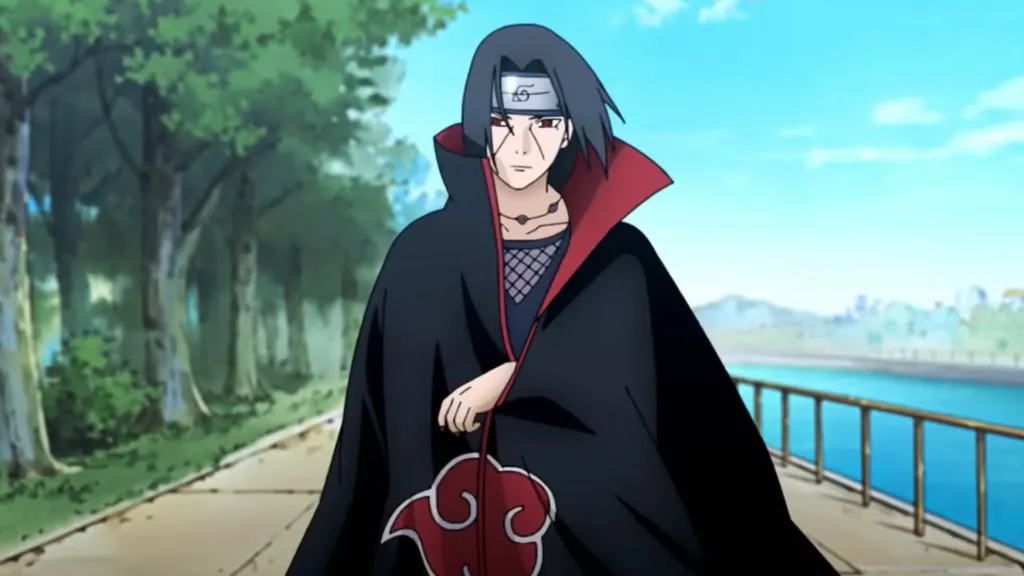
One of the major plot points early into Naruto Shippuden is the Akatsuki Rings. They obviously have a major role to play, given that they’re used to seal the Tailed Beasts into the Demonic Statue of the Outer Path, as well as to facilitate the communication of different Akatsuki members. When Akatsuki is just getting their footing in Naruto‘s narrative, some of the most impressive scenes involve the Akatsuki rings.
Their exact mechanism was never explained for fans though. The demonic statue remains important well into the war for the purposes of summoning the Ten Tails. However, at a certain point, the Akatsuki rings used to seal Tailed Beasts within the statue just fall off the map. The last real mention of the Akatsuki rings is when Obito (as Tobi) has to recover Sasori’s ring before joining the Akatsuki himself. That hasn’t stopped Naruto fans, though; even among today, the rings remain an identifiable icon of Akatsuki often sold as collectible merch.
5) Why Is Naruto Hokage, Again?
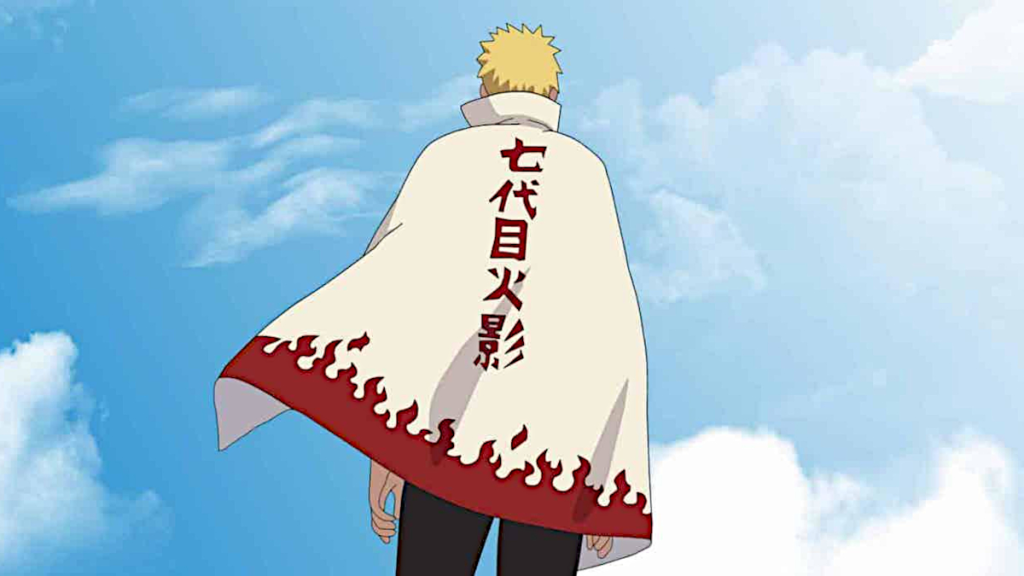
So, the war is over. Naruto and Sasuke have just had their big final battle. There’s a little bit of narrative soul-searching as Naruto Shippuden flounders toward its end. Next thing you know, Naruto is Hokage―missing his own coronation ceremony, no less. One of the most anticipated moments in the whole series, and he misses his coronation. At any rate, Naruto skips over a lot of the messy details. Sure, Naruto was a hero during the Pain Offensive and the Fourth Great Ninja War, but that doesn’t automatically mean he should become Hokage. But being a top-notch shinobi doesn’t mean you’re qualified to lead the most powerful village in the world, even if you’ve been there for certain world events.
Nor does it get rid of the possibility of some messier plot details―is it really true that nobody contested Naruto becoming Hokage? Was it really so clean? Did Naruto really not think ahead on the various promises he made over the course of the series, like to end the Hyuga curse tradition or to bring peace to Amegakure? There’s no period of administrative training, no rite-of-passage, nothing. He’s just Hokage all of a sudden. Naruto takes for granted that Naruto just earns the Hokage position out of thin air, and many fans are unconvinced.