Videos by ComicBook.com
Since the anime doesn’t rely on supernatural elements and exaggerated action, it depends completely on its character development to weave the perfect story. But rewatching Monster makes you realize that it wasn’t just about a genius neurosurgeon and a psychopathic serial killer – it dives deep into the themes of morality, identity, trauma, and the factors that make someone a true monster. There are also many easter eggs and references to real-life people that we surely missed the first time. So now, without further ado, let’s take a look at these mind-blowing details that I only noticed while rewatching Monster and see if you noticed any of these yourself.
1) It Was Obvious Johan Hadn’t Lived Through the Trauma He Described

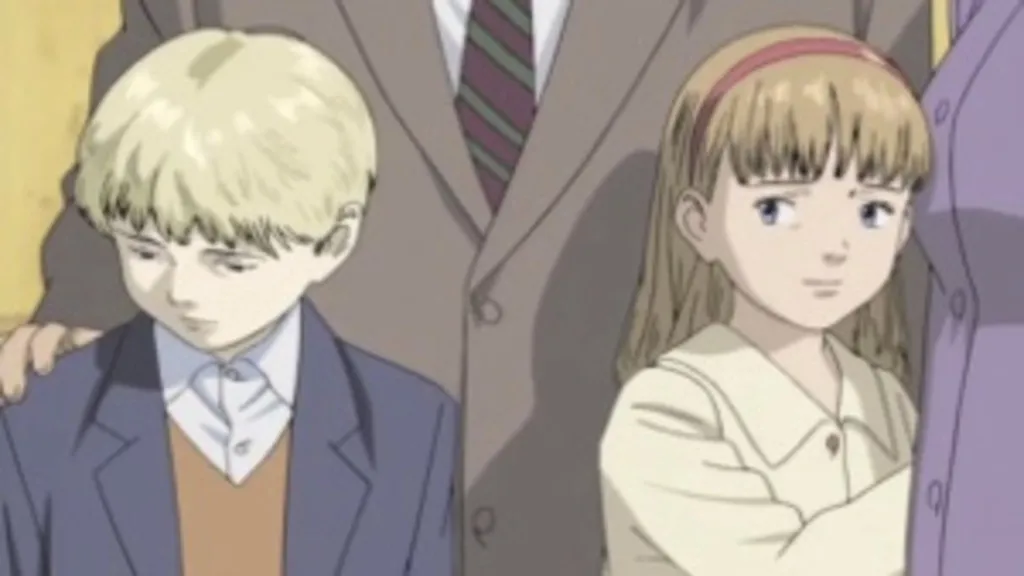
Let’s face it; in the beginning, we all thought Johan is the way he is because of the experiments at 511 Kinderheim. Fans believed the fear and trauma he presumably went through caused Johan to develop psychopathic tendencies. But that was never the case. Johan never went through the events he supposedly recalls earlier in the story. And as fans later learn, it was actually his twin sister Nina who went through solitary confinement and witnessed the massacre at the Red Rose Mansion.
The thing that triggered Johan’s monster was the moment when Nina recounted her experience to him. Johan absorbed what Nina went through and made it his own experience, which could actually be an early sign of his psychopathic tendencies and identity issues. But on rewatching the series, it was actually pretty obvious that Johan had never gone through the traumatic incidents he talks about.
How he acts in those stories is just completely inconsistent with his character. Johan narrated that he was afraid when the children in the orphanage mercilessly killed each other. But let’s be honest, when is Johan ever afraid? The flashbacks also tell a completely different story, showing how he calmly went and rescued his friend from the under-the-sink cabinet. This natural calm and fearless composure makes it clear that Johan is not the kind of person who would act the way he says he did in his manipulated version of events.
2) Johan Wanted His Sister to Kill Him
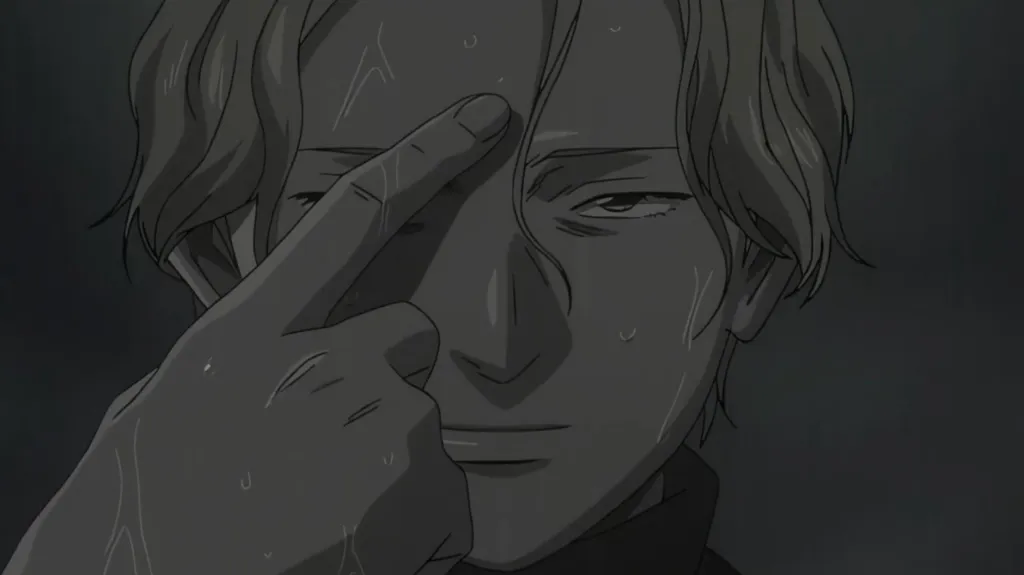
The haunting scene where we see Johan standing unarmed in front of Nina and pointing a finger at his forehead is something fans can never forget. We see a similar scene in flashbacks when a young Nina actually shoots a young Johan, and then later again by the end of the series. We have also seen Johan writing messages for Tenma and Nina on the walls of his crime scenes, asking them to “look at him” and claiming “the monster inside him is getting bigger. ” But what does all that mean?
From a psychological perspective, this behavior is actually a sign that Johan fundamentally understands that what he is doing is wrong. A part of him may not even want the destruction he causes. But even if he is aware of his actions, he keeps surrendering to his monstrous urges that only keep getting stronger. To free himself from this cycle, he seeks death by Nina’s hands. That’s why he actively makes sure she remembers him again after initially losing her memories of him as a child and leaves clues for her to find.
For Yohan, his death wouldn’t have been just about dying; it would have been more about the release he would have gotten. This idea also ties in nicely to his plans of achieving the perfect suicide. And gives more weight to the anime’s ending because if a part of Yohan really did realize he was wrong from the start and wished to stop, that makes his potentially hinted redemption much, much stronger.
3) Johan and Anna Were the Nameless Monster

Monster relies heavily on fictional tales to add depth to its storytelling. The Nameless Monster picture book was introduced much later in the show, but rewatching Monster made it clear why it was meant to be that way. The picture book follows a nameless monster who splits itself in half and goes on an adventure in search of a name. As it encounters people, it gives them power but ends up eating everyone as its hunger grows. In the end, he eats his other half as well while being in the body of a boy named Johan. What does it depict? Let’s discuss.
Johan and Anna were twins by birth and separated under different circumstances throughout their lives. But we have seen Johan telling Anna, “I am you, you are me”, meaning he does not differentiate between himself and his sister. This becomes clearer as Johan recounts Anna’s experience from the Red Rose Mansion as his own. This could be a symbolic act, as the monster eats his other half in the book as well. Since he never had the nerve to kill Anna, he decides to devour her unique memories by making them his own. This is a true definition of a real monster – one that not only destroys people, but also consumes them.