Videos by ComicBook.com
While subjectivity is paramount in deciding what defines a manga’s art as “good”, some of the most praised art in the medium has aspects they share. A manga’s unique flair is important, as well as how well the artist creates impact using visual storytelling. From how easy it is to read to how it harmonises with the series’ themes and messages, there are so many things that go into the visual aspect of a manga that are just as interesting to analyse, like the story’s plot and characterisation.
10) Fire Punch by Tatsuki Fujimoto
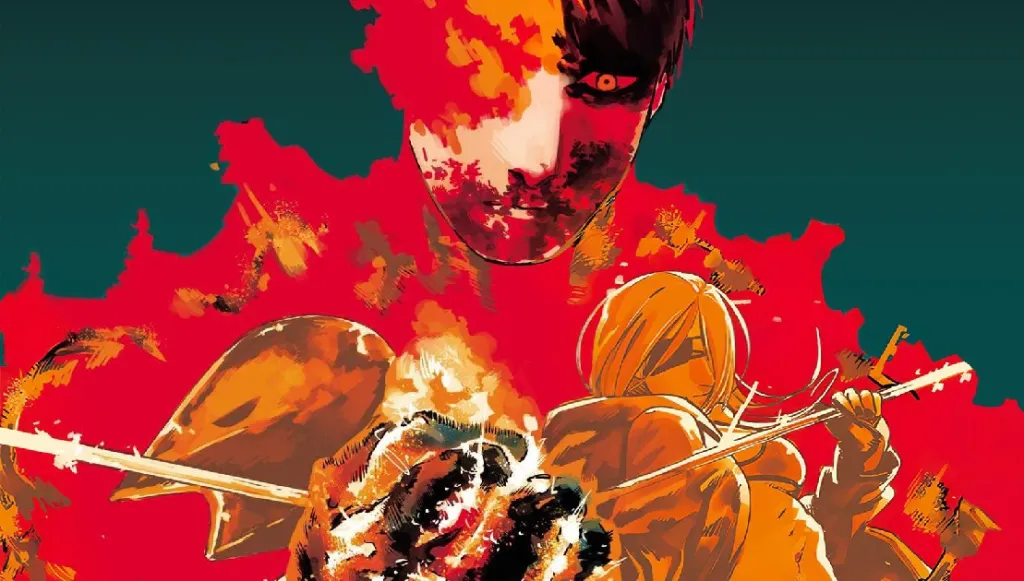
While Chainsaw Man or Look Back might be what people think of when they hear Fujimoto, and while they are certainly artistically brilliant, it was in Fire Punch that he displayed the most Fujimoto-esque art possible. Not only was the action the most violent, but the mangaka’s unique facial expressions and character designs were at their peak in his debut manga.
Fire Punch’s horror and gore were heightened to the nth degree with Fujimoto’s presentation of dark themes in manga format, and it still stands as his best manga artistically, and one of the most unique in general. A really cool aspect of Fire Punch’s art is its ability to seamlessly switch between some of the destructive shows of power that are nothing but exciting to mellow and quiet moments to the point of being unsettlingly still.
9) Houseki no Kuni by Haruko Ichikawa
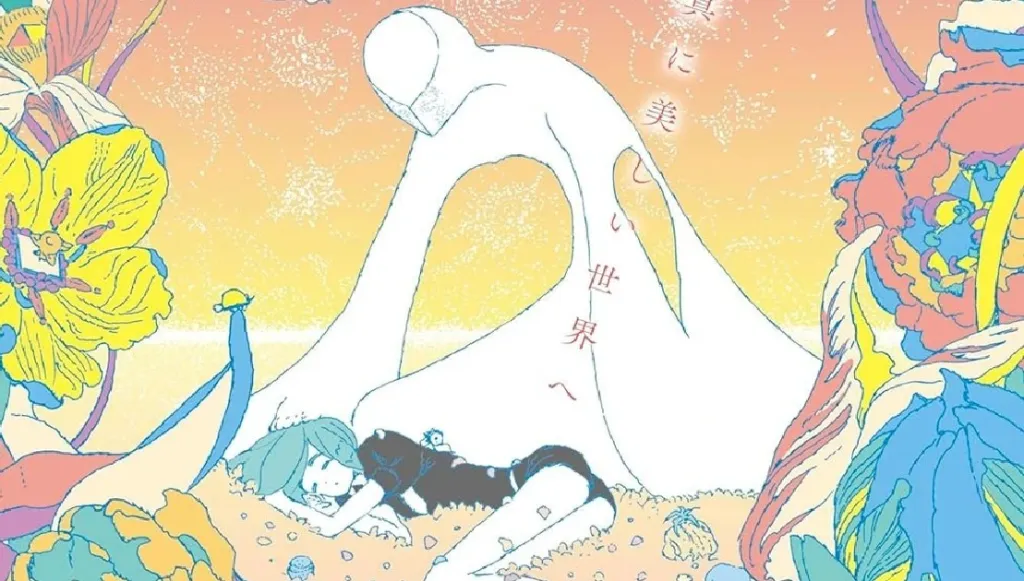
The depressing yet hopeful fantasy manga, which recently concluded, truly has one of the most unique art styles in manga, and it brilliantly induces the immersive and mysterious environment of the story. Its style can best be described as blending elegance with surreal minimalism. The series plays with a sharp contrast of black and white, with the negative spacing being a big part of what makes the art so pleasing.
Furthermore, Ichikawa utilises symmetry for her environment that simply looks stunning, and the manga is surprisingly really good at body horror, enhancing the grim atmosphere of Houseki no Kuni. Ichikawa’s innovative use of contrast, gradients, and reflective highlights creates a polished and unique aesthetic that perfectly matches the series’ themes.
8) Clover by CLAMP
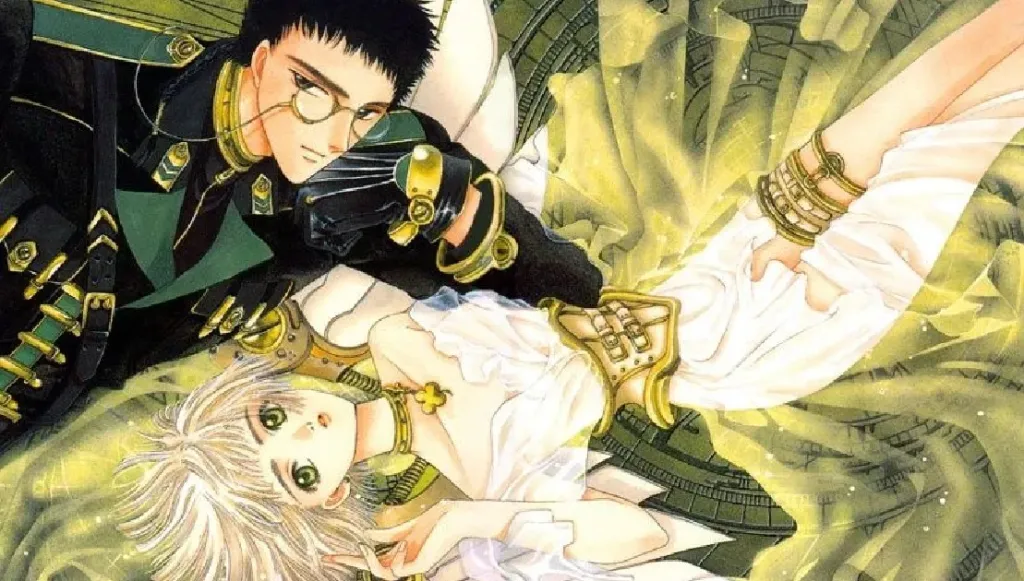
While it is extremely hard to narrow down the manga with CLAMP’s art at its absolute best, the often underrated and somewhat overlooked Clover makes a very strong and compelling argument as to why it truly deserves to be in that important conversation. The legendary and highly influential group demonstrated their incredible artistic prowess and unmistakable signature style in this short yet deeply impactful 4-volume series, delivering some of the most dazzling, breathtaking, and visually powerful presentations seen in their entire body of work.
While it is quite unfortunate and disappointing that the story remains incomplete even after all these years, Clover‘s art remains completely timeless, elegant, and deeply expressive, making it a fantastic entry point and gateway into the big, diverse, and thrilling world of CLAMP manga.
7) BLAME! by Tsutomu Nihei
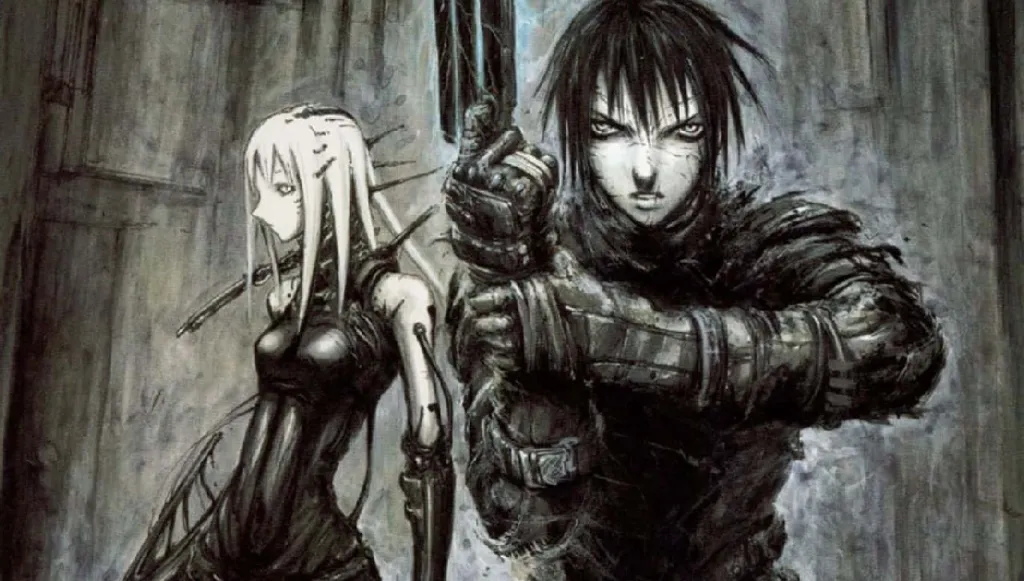
Tsutomu Nihei’s choice to feature as little dialogue as possible in his most famous work, and mainly communicate through his art, makes BLAME! one of the most interesting experiences with manga. The incredibly detailed and dark architecture, which is the bread and butter of the mangaka, as well as the ability to evoke an incredible scale of the environment, is breathtaking.
The designs of the mecha and technology, the sharp and distinct facial features of the characters, and the grotesque character designs are all simply astonishing. The feeling of solitude and eeriness evoked by the combination of a lack of dialogue and grim art makes BLAME! a one-of-a-kind series. Tsutomu Nihei currently has a new manga being published, and it is just as beautiful as his magnum opus.
6) Baki by Keisuke Itagaki
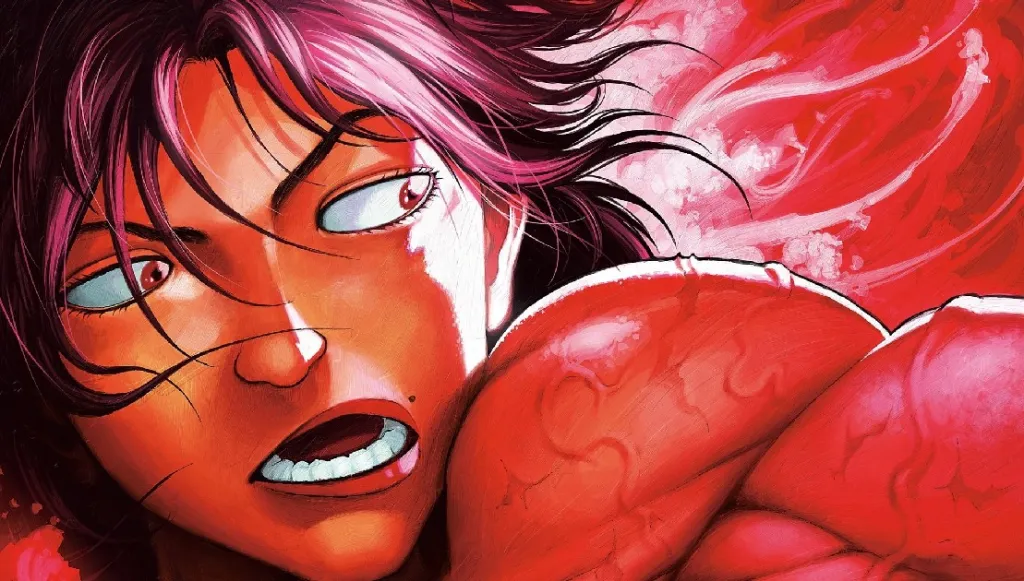
To say that Baki‘s art style is an acquired taste is an understatement, but there is absolutely no denying just how eccentric and wildly over-the-top Itagaki’s pen truly is, lending so much character and personality to the unique and unapologetically outrageous storyline. The exaggerated muscles and anatomy, the hilarious and often meme-worthy facial expressions, the inventive and highly creative panelling, and the absolutely brilliant, jaw-dropping action scenes create a truly unique experience for manga connoisseurs.
Baki’s art possesses such a distinctive flair that is both technically impressive, extremely high-level, and completely one of a kind in the world of manga. Furthermore, Itagaki’s art style does not remain static; it also evolves and improves exponentially between Part One and Son of Ogre, where it reaches its peak and maintains an incredibly high level of consistent quality throughout.