Videos by ComicBook.com
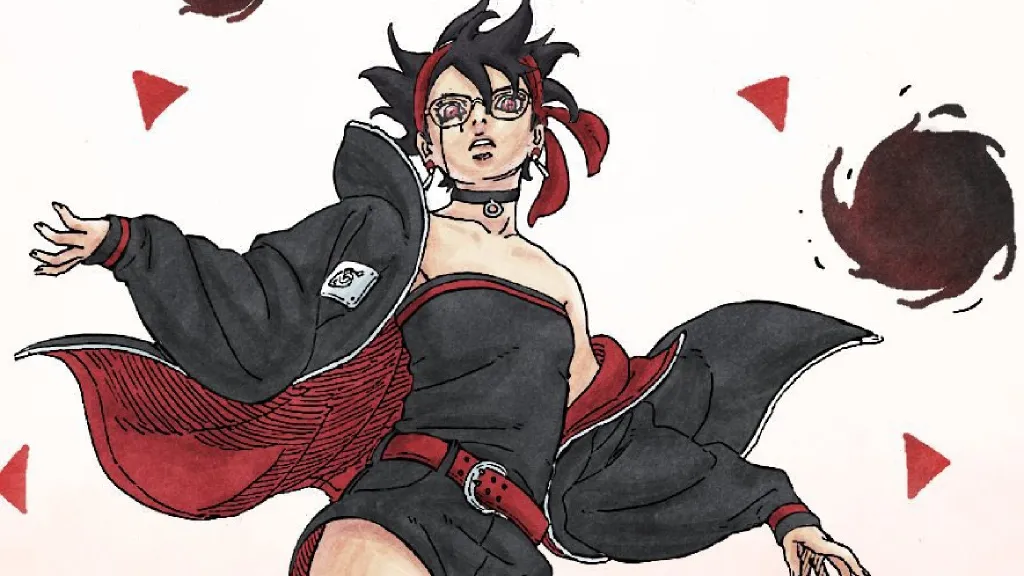
Warning: Spoilers ahead for Boruto: Two Blue Vortex!
To be clear, we’re not saying that Boruto is better than Naruto. Naruto is a legendary series that practically redefined modern battle shonen storylines and characterization; Boruto, at the end of the day, simply doesn’t have the same level of status and influence as its predecessor, and it likely never will. But we think Boruto deserves more flowers than it gets, and it’s perfectly fair and reasonable to acknowledge where Boruto outdoes Naruto.
1) Boruto and Kawaki Work Better Than Naruto and Sasuke
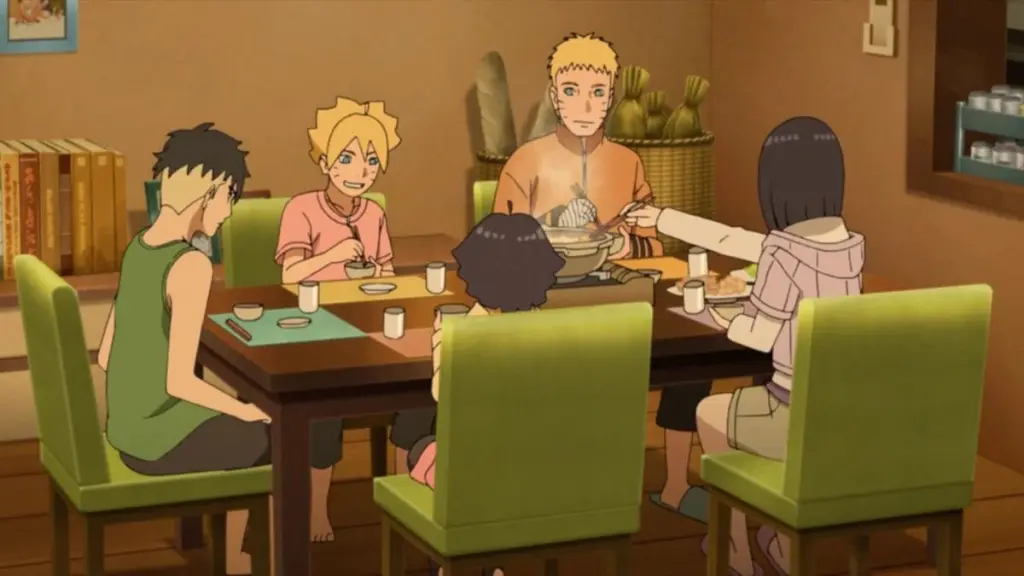
This one feels practically sacrilegious to write, but there’s truth to it. Naruto and Sasuke are one of the most beloved, recognizable shonen duos of all time. They’re also notorious for having a dynamic that doesn’t make a lot of sense. Their strange brand of friendship and mutual respect is developed over the course of Naruto‘s first part, then the second part revolves entirely around Naruto’s quest to bring Sasuke back. The plot, by design, is effectively all about Naruto and Sasuke; the result is that their actual dynamic is suffocated and, at times, even contrived.
Boruto and Kawaki, by contrast, don’t have a traditional shonen rivalry at all. There are hints and teases of a more traditional rivalry, sharing a unique connection through Karma is an obvious one, and certain interactions reek of convention (in a good way), like Boruto teasing Kawaki for not training at the start of Two Blue Vortex. But overall, their dynamic feels far less forced and far more human, with a lot more room to breathe than their predecessor’s core rivalry. Boruto and Kawaki aren’t really at the forefront of Boruto; they’re the vessels through which its mysteries unfold.
2) Boruto Dials The Political Dynamics Up To 10

Politics always played a part in Naruto, and without a doubt, it provides the foundation and setting for some of Naruto‘s tenser moments. That goes without saying: especially later into Naruto, the political dynamics between nations start to play a very significant role, with concepts like proxy wars, covert operations, and discrimination being just a handful of inciting incidents and devices for moving the plot forward. What we mean to say is that Naruto is no slouch when it comes to politics.
However, Boruto makes politics a daily reality. All of Boruto cleverly presents peace and prosperity as a threat to the shinobi order, with the political apparatuses of the Naruto universe’s respective countries being a regularly intervening force in the shinobi villages. Factors that were always present in Naruto‘s world, like budget concerns, surveillance, bureaucratic disputes, and administrative monotony, are pushed to the forefront more than ever before in Boruto. The effect is a world where politics feels like more than a plot device.
3) Boruto Has a Better Sense of Introspection
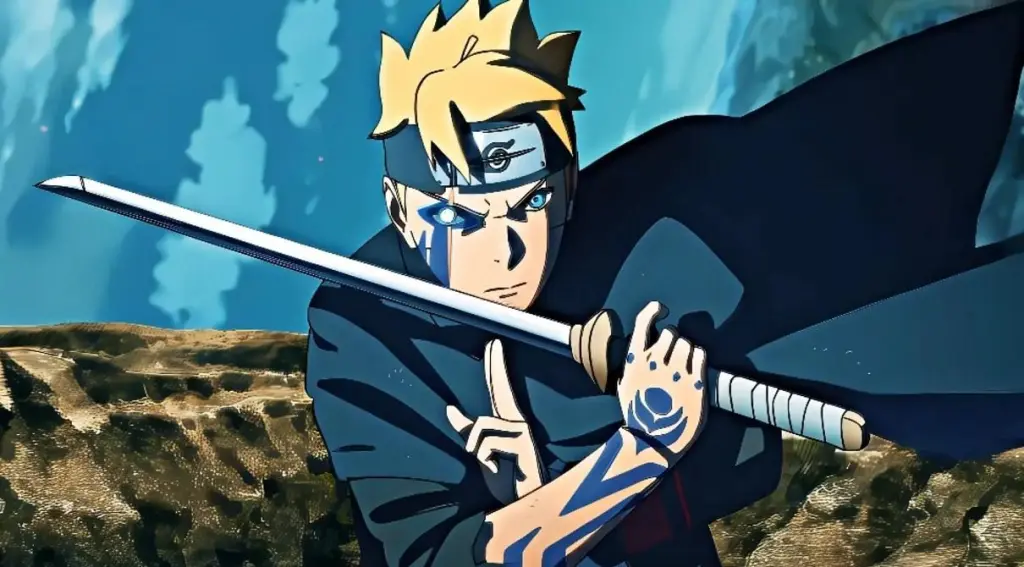
Naruto established a central theme very early on, and it would pervade throughout the entire series. That theme, it goes without saying, is love, compassion, and understanding being the keys to peace. As a result, a lot of Naruto’s villains also took a similar form: some motivation had made them stray from the path of peace, and the most effective way to neutralize them was to convert them back to Naruto’s grounding ideals, in effect, meaning getting them to support Naruto‘s status quo again.
This isn’t inherently a fault: Naruto is beloved for a reason, and many of its villains are just as beloved for the complexity they introduce. But while Naruto at times could verge on preachy idealism, Boruto is a lot more willing to take essential fault with Naruto‘s founding ideals. Its villains range from Naruto-esque tragic backstories (like Kawaki, if you count him as a villain) to being bred for villainy (like Code) to figuring out what it means to be human at all (like the Divine Trees). In other words, “Talk no Jutsu” no longer cuts it. Meanwhile, the righteousness of shinobi society itself is more often put into question through devices like the aforementioned surveillance. Boruto is more willing to question Naruto‘s foundations than Naruto itself ever was.
4) Boruto‘s Battles Are Much Stabler

Boruto infamously never tried to recover the power ceiling established at the end of Naruto Shippuden. However, it doesn’t get enough credit for what it decided to do instead: make the old power ceiling a new power floor. Narrative instruments like the scientific ninja tools or the previously-endgame chakra absorption make frequent appearances in order to make battles feel far more even. The range of techniques possible have also shrunk, especially when it comes to end-game enemies.
While this dulls Boruto’s strategic diversity, it has the reverse effect of also leveling the playing field between its battlers, and reducing the whiplash between its battles. Strategy is just as important as ever, but it now plays a totally different role in combat. Things are no longer about just overpowering enemies, which is how Naruto started to feel (especially toward its end); Boruto controls its power-scaling by hoisting the fate of its battles on strategic effort. The best of Naruto‘s fights and outplays live on in Boruto, while the worst of Naruto‘s fights are nowhere to be seen.