Videos by ComicBook.com
Sometimes, they have tragic backstories, but those don’t excuse their actions. You can understand their pain, but you still hate them for their choices. And then there are those villains who are pure chaos, who embody evil for evil’s sake, and frankly, that’s what makes anime so much fun. These characters are a reminder that not everyone can be reasoned with.
Here are the 10 most evil anime villains ever, ranked by their depravity.
10) Bondrewd (Made in Abyss)
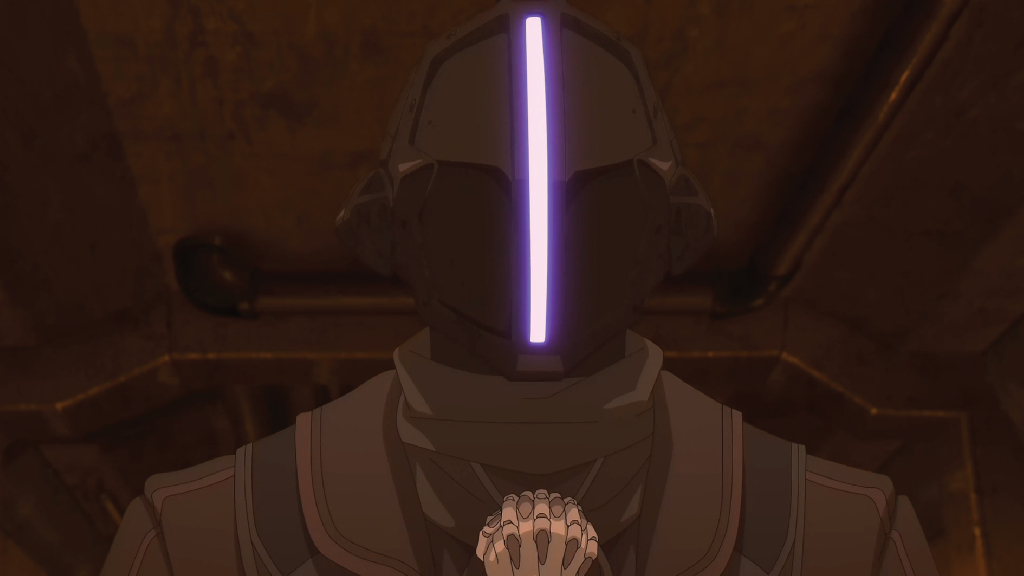
Bondrewd is a White Whistle, one of the highest-ranking cave raiders, which means he’s already someone with extraordinary skill. But his obsession with the Abyss and its secrets pushes him far beyond the bounds of what anyone would call humane. He treats human beings as consumables to unlock relics and push “progress” past any moral line. Bondrewd is also terrifying because he rewards devotion. His followers love him, and he loves them back in a chillingly transactional way: purpose in exchange for self-erasure. That cult energy legitimizes his work and makes resistance feel small.
9) Muzan Kibutsuji (Demon Slayer)

Muzan started as a sickly noble during the Heian era. Desperate to cure his terminal illness, he underwent an experimental treatment with the Blue Spider Lily; it worked, and it didn’t. Although he gained superhuman strength and regeneration, Muzan became a demon, unable to live in sunlight. From there, he began spreading his blood to create a demon army and search for a subject who could conquer the sun. He views everyone around him as either tools for his goals or obstacles to be eliminated. To Muzan, human life is meaningless unless it serves his purpose. In that respect, he’s a pretty evil dude.
8) Father (Fullmetal Alchemist: Brotherhood)
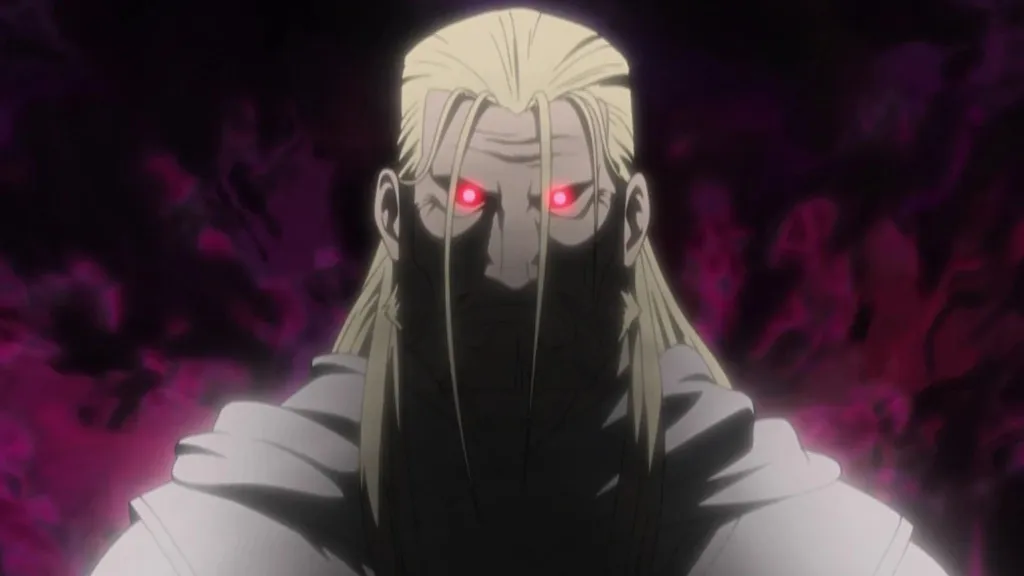
Father was a being created by alchemy in the ancient kingdom of Xerxes. His first major atrocity was the genocide of an entire civilization. He used the lives of every single citizen to create a Philosopher’s Stone that granted him immortality. Father’s ultimate scheme involved turning the whole nation of Amestris into a massive transmutation circle. By sacrificing all of its citizens, he intended to absorb the power of God. Why? Because he cannot tolerate dependence. He wants a reality where he never needs, never answers, never bows.
7) Dio Brando (JoJo’s Bizarre Adventure)
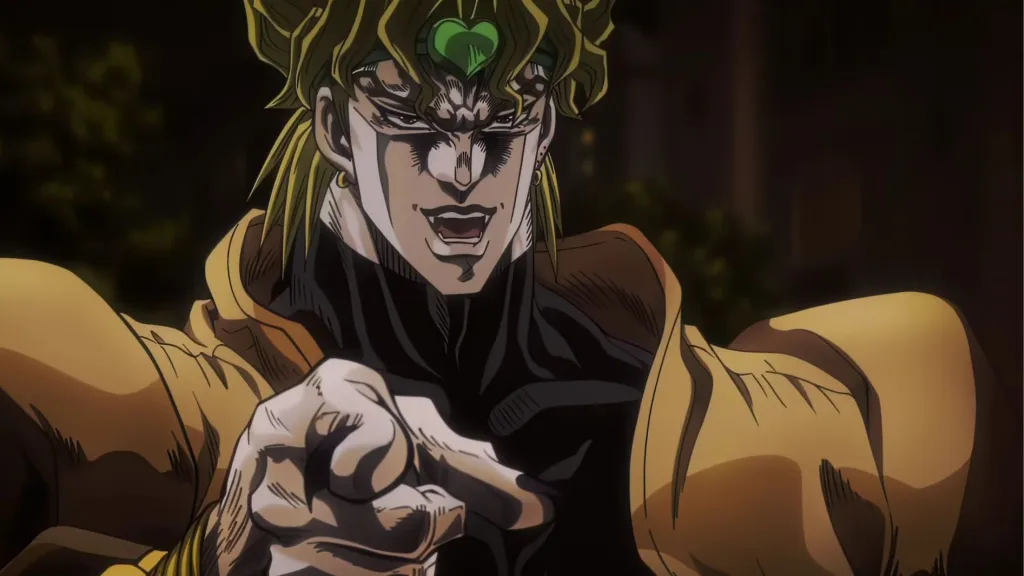
Dio is, without question, one of anime’s most iconic villains, and it’s not just because he’s powerful or cruel. It’s because he’s fun. From the moment he steps into the Joestar household, he cements himself as irredeemable by shoving Jonathan’s beloved dog, Danny, into an incinerator. Dio poisons Jonathan’s father, humiliates Jonathan at every turn, and even forces a kiss on Erina, Jonathan’s love interest, just to spite him. He’s evil as performance art, and the performance is convincing enough that viewers get why people follow him, which is exactly why he’s dangerous.
6) Light Yagami (Death Note)
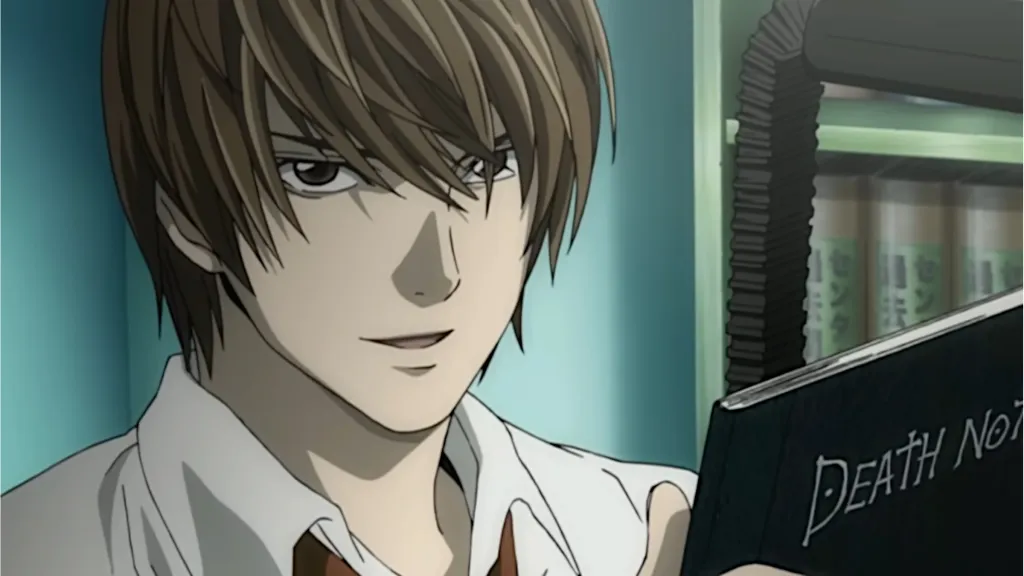
Light Yagami is celebrated by some fans as a necessary purge, the genius who finally punishes the untouchable. But that fame becomes his camouflage and his poison. The belief that he’s fixing the world is what lets him slide from justice to vanity without noticing the cliff. He explicitly states that he will become the “god of the new world,” and from that point on, it’s clear his motivations are entirely self-serving. Light could have been a reformer, but instead, he chose the shortcut to divinity and ended up exposed.
5) Johan Liebert (Monster)

Johan is the antagonist of Naoki Urasawa’s psychological thriller manga and anime Monster. Born in the 1970s in East Germany, Johan and his twin sister were part of a government experiment called 511 Kinderheim. As a child with exceptional intelligence, Johan absorbed and internalized the horrors around him. One of Johan’s earliest atrocities was the massacre at Kinderheim 511. That is what makes Johan more frightening than ideologues like Father or showmen like Dio. He wants subtraction. Power can be bargained with. Subtraction can’t. Johan is a void that keeps erasing. Interestingly, he also wanted to erase himself through what he called a perfect suicide.