Videos by ComicBook.com
It was a time when anime was still finding its footing as a distinct medium, free from the constraints of mass-market expectations that would come later. In contrast, the 1990s was the decade where anime began to refine itself for a broader audience. While the 80s thrived on experimentation, the 90s leaned into polish and accessibility, giving rise to more structured narratives and a push toward global appeal. The animation quality saw noticeable improvements, aided by advancements in technology, but some of the grit and unpolished edge of the 80s was lost in the process.
10. They Were Eleven
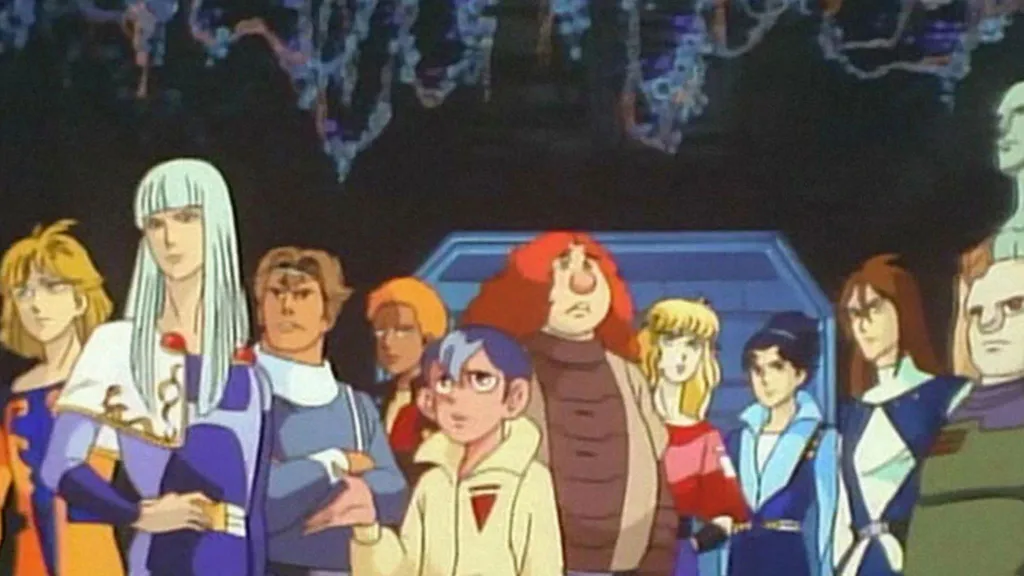
They Were Eleven is a classic sci‑fi mystery from Moto Hagio (manga) with a 1986 anime film adaptation. Ten students are sent to a derelict spaceship as part of their final test to join an elite space academy. When they get there, they realize there’s an eleventh person among them. No one knows who this extra person is or what their intentions are. Paranoia sets in, and the group has to figure out how to survive while trying to uncover the imposter. If you like shows like The Twilight Zone or Among Us-style paranoia stories, you’ll probably love this one.
9. Future Police Urashiman
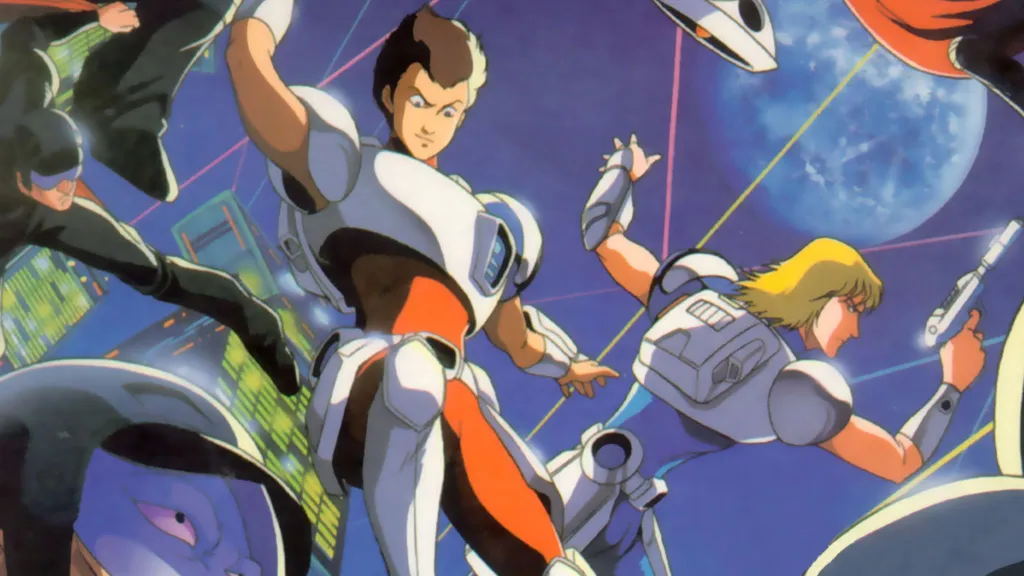
Future Police Urashiman is a neon-soaked, early-’80s sci‑fi action-comedy about a guy from 1983 who accidentally time-slips into 2050 and gets roped into being a cop. He wakes up with amnesia and falls in with a police unit battling a flashy mega‑corp/crime syndicate called Necrime. It’s episodic for the most part, so each episode feels like its own little adventure. The story itself doesn’t take itself too seriously, which is part of its appeal. For fans of stuff like Bubblegum Crisis or City Hunter, this is definitely worth checking out.
8. Round Vernian Vifam
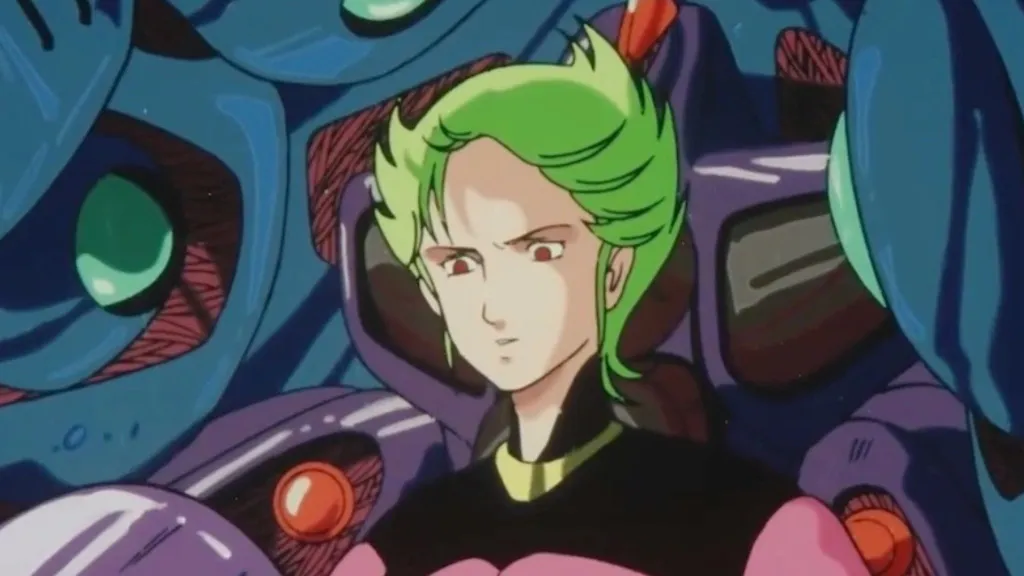
Round Vernian Vifam is a classic 1983–84 mecha adventure story. A group of kids get stranded in space after their colony is attacked by aliens. With no adults to guide them, they’re forced to take control of a spaceship and figure out how to survive while trying to reunite with their families. The anime was directed by Takeyuki Kanda, who worked on classics like Mobile Suit Gundam and Space Battleship Yamato. His experience with space opera shows really comes through in how confidently Vifam handles its world-building and pacing. Despite being 40+ years old, many episodes still hold up surprisingly well from a directorial standpoint.
7. Bagi, the Monster of Mighty Nature
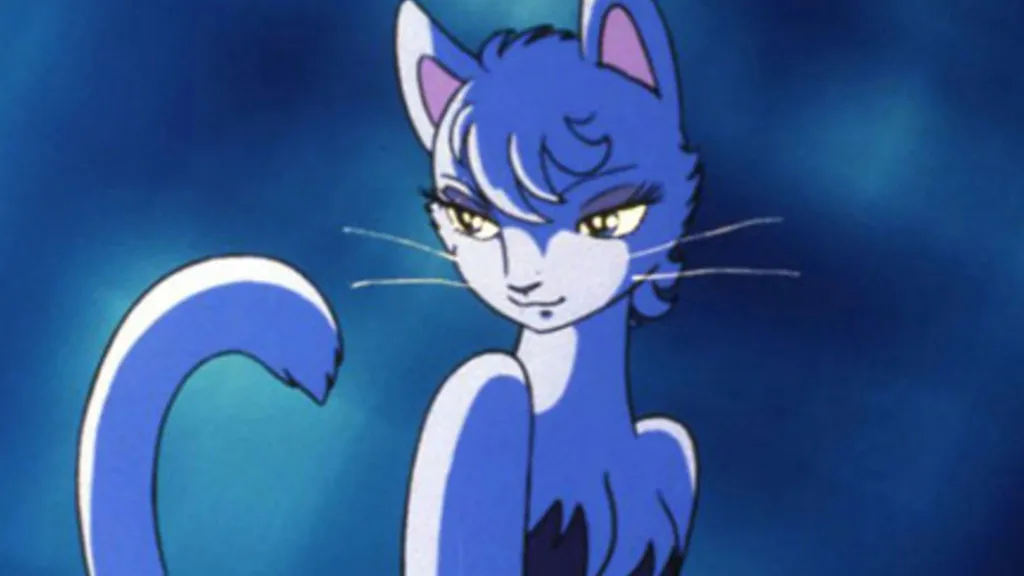
Bagi, the Monster of Mighty Nature is an eco-themed 1984 TV special from Osamu Tezuka (Astro Boy, Black Jack). The story is about a genetically engineered human-panther hybrid named Bagi, who’s on the run from the people who created her. She teams up with a young man named Ryo, who has his own mysterious connection to her, and together they uncover a conspiracy involving genetic experiments and environmental destruction. As a time-capsule one-shot with teeth and heart, Bagi punches above its weight.
6. Be Forever Yamato
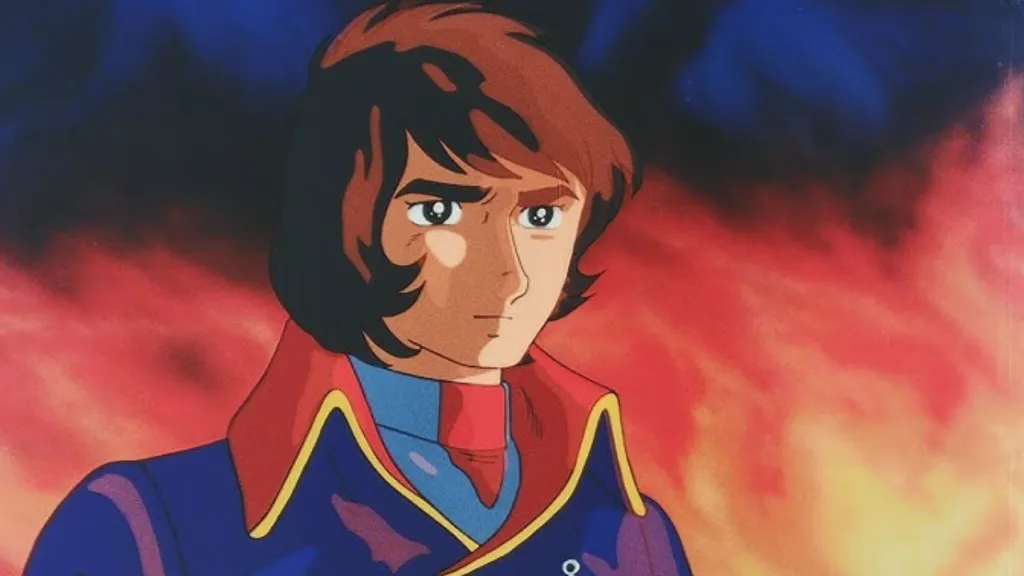
Be Forever Yamato is part of the legendary Space Battleship Yamato franchise. This movie is a standalone story, so you can technically watch it without diving into the whole Yamato series, but having some context helps (especially if you’ve seen Farewell to Space Battleship Yamato or the first series).
The plot classic is Yamato: Earth is in trouble again. This time, it’s being attacked by an alien empire called the Dark Nebula, and our beloved crew of the Yamato has to save the day. The movie leans heavily on the franchise’s emotional beats — heroism, sacrifice, and that melancholic sense of hope against impossible odds. If you’re new, start with the first TV series or the 1977 compilation (or the 2199 remake) so the emotional beats here actually land.
5. The Mysterious Cities of Gold

The Mysterious Cities of Gold is a 1982 adventure series that mixes kid-friendly treasure hunt with surprisingly thoughtful history. The story follows Esteban, a young boy who’s searching for his father in the 16th century. He gets caught up in a grand quest to find the legendary Cities of Gold in the Americas. Along the way, he teams up with Zia (an Incan girl) and Tao (the last descendant of a lost civilization).
Together, they face everything from Spanish conquistadors to ancient technology while uncovering the truth behind the mythical cities. Yes, it’s technically a “kids show,” but like the best of Studio Ghibli, it never talks down to its audience. There’s a reason it gained such a devoted cult following that it actually received two sequel seasons in 2012 and 2016, over 30 years after the original. A third season aired in 2020.