Videos by ComicBook.com
That’s probably why realistic endings are trending in anime and are favored more by the anime community. Shows are acknowledging the ideas of trauma, loss, healing, and rebuilding more often than in past years, giving audiences a glimpse of realistic consequences to epic battles and huge adventures. While there’s absolutely nothing wrong with preferring a happy ending after watching episode after episode of darker themes, there’s also nothing wrong with wanting to get a good cry out by indulging in sadder anime that don’t necessarily end on a high note. This list will explore a few awesome anime series and films with endings that don’t pull their punches.
7) Devilman Crybaby
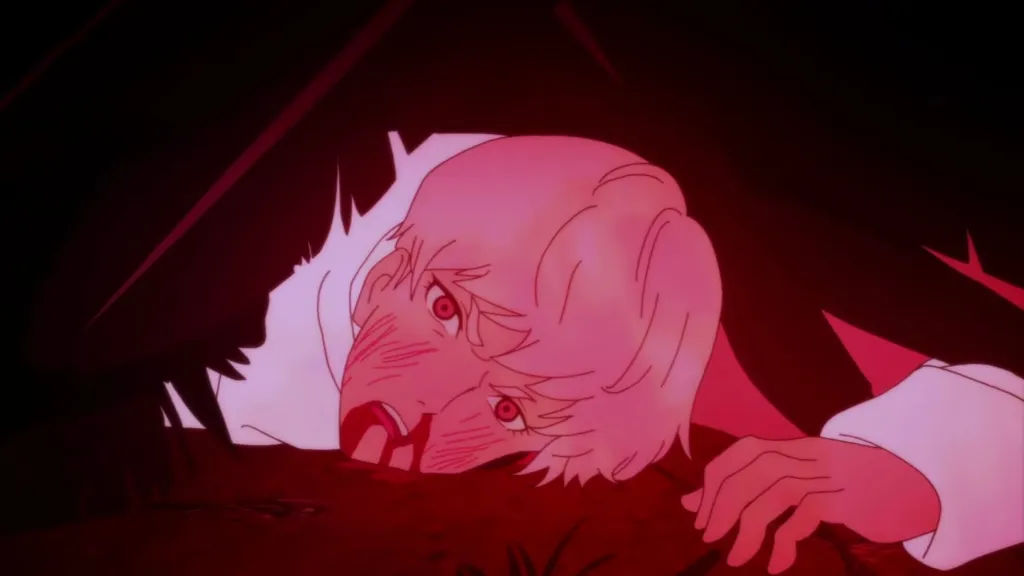
If you ask anyone in the anime community which series they think has the most tragic ending, Devilman Crybaby will certainly be one of the top ones mentioned. Fans are all too aware of how devastating this show ends, taking the opposite route of many series that allow the hero to overcome the big threat or take out the main villain. The show first debuted on Netflix back in 2018 and had a single season containing just 10 episodes. It’s an adaptation of a 1970s manga series, Devilman, essentially rebooting and adding to the original storyline.
The plot of Devilman Crybaby follows Akira, a high school student who gains the ability to become a Devilman and fight the ever-growing horde of demons appearing across Earth. It’s very much the classic tale of an anti-hero type character defending humanity from a threat using powerful abilities obtained through an outside source. The difference lies in Akira’s best friend, who is actually Satan in disguise, aiming to wipe out humanity with the sole exception of Akira, whom he loves. By the end of Devilman Crybaby, the two friends’ final battle ends with a nuclear final blow that leads to the anime’s iconic, well-known final shot.
6) Your Lie in April
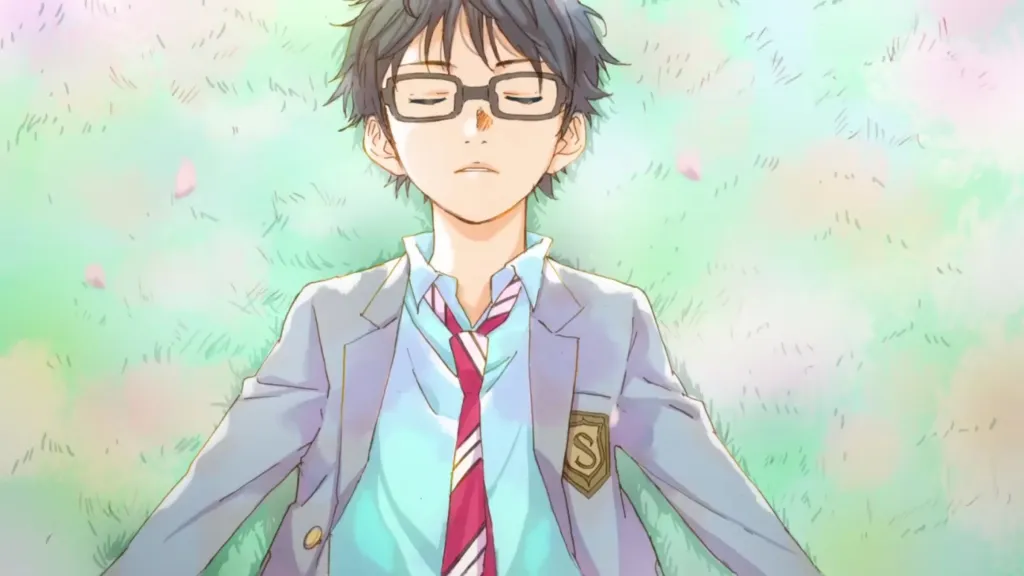
It’s pretty simple for fantasy or science fiction series to lead the audience towards a tragic final ending, but it’s important not to forget how devastating real-life anime series can be. Your Lie in April is a prime example of a slice-of-life anime show that manages to deliver emotional blows without relying on fantastical aspects of world-ending threats to the main cast. The show was released in 2014 and had a single season with just over 20 episodes; it was also given a live-action adaptation that came out a couple of years after the anime ended.
Your Lie in April follows the life of Kousei Arima, a piano prodigy who loses the desire and ability to play when his controlling mother passes away suddenly, leaving him in emotional turmoil. That changes when he meets Kaori Miyazono, a violinist who becomes his accompanist while encouraging Kousei to embrace his love for music again without fear. The anime focuses on the two’s friendship slowly blossoming into romance, though the heavy themes of grief, loss, and trauma are ever-present throughout the entire story, up until the very end.
5) Grave of the Fireflies

Studio Ghibli has always been well-known for quality storytelling, beautiful animation, and compelling character arcs that feel relatable even with fantastical elements threaded throughout many of the plots. Grave of the Fireflies is no exception, with the film often regarded as one of the most heart-wrenching anime ever put to screen by many long-time fans. The film came out in Japan in 1988 and was based on a short story that was written back in the 1960s. It’s often spoken about as one of the best anti-war movies ever made, despite its outward appearance of a children’s cartoon movie.
Grave of the Fireflies is centered around the lives of two Japanese siblings, Seita and Setsuko, who are trying to survive together at the end of World War Two. Orphaned after the death of their mother, the siblings traverse the landscape in an attempt to find food and safe shelter, facing the hardships of a post-war climate that offers little mercy even towards children. The ending is cemented as one of the saddest in anime, specifically because it was and is the reality for so many orphaned children in war, showcasing how the innocent suffer when adults abuse power.
4) Clannad: After Story

Clannad: After Story is a continuation of the original Clannad anime series, the latter of which aired back in 2008. It’s interesting that Clannad: After Story seems to be one of the few sequel anime series to receive much higher praise and acclaim than its source material, finding a larger fan base than the first anime due to its emotional depth and focus on character development. That being said, while Clannad: After Story is considered a sequel by many fans, it is technically a second season set years after Clannad’s storyline ends.
The focus of Clannad: After Story is on the main characters in adulthood, following their journeys through the challenges that come with growing up, such as work, family, and marriage. Specifically, the anime centers on Tomoya and Nagisa, and the tribulations their family unit faces and attempts to overcome. Many fans refer to the series as a slow-building tragedy that explores the unfairness and unpredictability of adult life. When the series ends, the outcome of Tomoya’s choice hits differently if you’re watching as an adult who has experienced regret or the wish to change your own ending.